The eponymous debut album of Go West will be reissued in May as a 4CD+DVD box set, featuring remastered audio and a host of bonus material, including previously unreleased demos and live performances.
Originally formed in 1982, Peter Cox and Richard Drummie signed to Chrysalis Records in 1984 on the strength of the demos of ‘We Close Our Eyes’ and ‘Call Me’. The former reached number five in the UK and was one of four top 30 hits from the 1985 album.
Chrysalis made the most of the band’s success by swiftly following up Go West with Bangs & Crashes, which is primarily a remix album, although it does contain a few live tracks as well.
The 4CD+DVD large format box set of Go West (click image to enlarge)
For the new box set all the audio has been newly remastered by the original producer, Gary Stevenson, from the original production tapes. CD 1 is the album, CD 2 is a slightly expanded Bangs & Crashes, while CD 3 features 14 demos and rarities (including additional remixes). The fourth and final CD is a previously unreleasedLive at Hammersmith Odeon gig from 21 November 1985.
The DVD contains all the promo videos for the singles from the album, Top of The Pops performances, and a complete previously unseen concert from Japan 1985.
The set is packaged in a large format 12″ x 12″ box set, very similar to the UltravoxVienna deluxe set. The outer rigid card slipcase contains two 20-page large booklets featuring a track by track commentary from Peter and Richard, unseen photos, and a gatefold folio with the five discs. The album is also being reissued on crystal clear vinyl.
Both the 4CD+DVD box set and the clear vinyl are released on 6 May 2022 via Chrysalis.
The original mono mix of Pink Floyd’s second studio album, 1968’s A Saucerful of Secrets, will be reissued on vinyl next month.
It features classics like ‘Set the Controls For The Heart Of The Sun’, ‘Remember a Day’ and ‘Jugband Blues’, and is of course the only album to feature all five members: Roger Waters, Richard Wright, Nick Mason, Syd Barrett and David Gilmour.
The mono mix was remastered in 2019, by James Guthrie, Joel Plante, and Bernie Grundman using the 1968 analog tapes. At that time the mono vinyl reissue was a limited edition for Record Store Day 2019 (limited to 6500 copies).
This new full, retail version is pressed on 180g vinyl and is released on 29 April 2022.
In the coming months, BMG are to reissue five Sparks albums originally released between 2000 and 2010, on both vinyl and CD.
The albums in question are Balls (2000), Lil’ Beethoven (2002), Hello Young Lovers (2006), Exotic Creatures of the Deep (2008) and The Seduction of Ingmar Bergman (2009).
Four out of five of the Sparks album reissues are 2LP sets (click image to enlarge)
All five albums have been remastered for these reissues and with the exception of Lil’ Beethoven all are issued as 2LP vinyl packages. The vinyl is all album-only while the CDs all boast rare bonus tracks (except for The Seduction of Ingmar Bergman).
The albums will be reissued in two waves: the first three on 29 April and the final two on 27 May 2022. Once reissued, all seven Sparks albums of the new millennium (including 2017’s Hippopotamus and 2020’s A Steady Drip, Drip, Drip) will be in print.
Most of the CD reissues come with rare bonus tracks (click image to enlarge_
Tracklisting
Balls Sparks/2LP black vinyl & expanded CD
Balls
More Than A Sex Machine
Scheherazade
Aeroflot
The Calm Before The Storm
How To Get Your Ass Kicked
Bullet Train
It’s A Knockoff
Irreplaceable
It’s Educational
The Angels
CD bonus tracks
It’s A Sparks Show (Opening theme for Sparks live shows. Previously unreleased).
Calm Before The Opera (Reworking of the song ‘The Calm Before The Storm’).
The Angels (Sparks Alternative Version)
More Than A Sex Machine (Sparks Definitive Version – Radio Edit)
The Angels (Tony Visconti version)
The Oblongs (Proposed pilot theme song for the animated TV series The Oblongs. Previously released in Japan).
A Cute Candidate (Opening Theme From In Entertainment We Trust: Music From The Motion Picture A Cute Candidate by Kuntzel+Deygas).
The Race For President (From In Entertainment We Trust: Music From The Motion)
Tracklisting
Lil’ BeethovenSparks/Black vinyl LP & expanded CD
The Rhythm Thief
How Do I Get To Carnegie Hall?
What Are All These Bands So Angry About?
I Married Myself
Ride ‘Em Cowboy
My Baby’s Taking Me Home
Your Call’s Very Important To Us. Please Hold.
Ugly Guys With Beautiful Girls
Suburban Homeboy
CD bonus tracks
The Legend Of Lil’ Beethoven (The story of “Lil’ Beethoven” read by Ron Mael)
Wunderbar (Concerto In Koch Minor) (Originally commissioned for Günther Koch Revisited: Voll in den Mann by Bayerischer
Rundfunk / Hörspiel und Medienkunst. Features the sampled voice of Günther Koch)
Kakadu (Originally commissioned for one word one sound by Bayerischer Rundfunk / Hörspiel und Medienkunst Concept: a
song created from an assigned word and sound, Word: “Kakadu” (voice of Richard Huelsenbeck). Sound: papier schnippen / snip
paper. Reading by Tammy Glover)
Suburban Homeboy (Extended ‘Ron Speaks’ Version)
The Rhythm Thief (Instrumental Version)
Tracklisting
Hello Young LoversSparks/2LP black vinyl and expanded CD
Dick Around
Perfume
The Very Next Fight
(Baby, Baby) Can I Invade Your Country
Rock, Rock, Rock
Metaphor
Waterproof
Here Kitty
There’s No Such Thing as Aliens
As I Sit Down to Play the Organ at the Notre Dame Cathedral
CD bonus tracks
We Are The Clash (Originally released on White Riot, Vol.2: A Tribute to The Clash, issued by Uncut Magazine in November
2003)
(Baby, Baby) Can I Invade Your Country (Alternative Lyrics)
Tracklisting
Exotic Creatures of the DeepSparks/2LP Black vinyl and CD
Intro
Good Morning
Strange Animal
I Can’t Believe That You Would Fall for All the Crap in This Song
Let the Monkey Drive
Intro Reprise
I’ve Never Been High
(She Got Me) Pregnant
Lighten Up, Morrissey
This Is the Renaissance
The Director Never Yelled ‘Cut’
Photoshop
Likeable
CD Bonus Tracks
Brenda is Always in the Way – (B-side of the 7” single ‘Lighten Up, Morrissey)
Islington N1 (Written to commemorate the concert event Sparks Spectacular: 21 Albums in 21 Nights (May-June 2008 in
Islington, London. Originally available only for “Golden Ticket” holders).
Mr. Hulot (Unused theme song written for the documentary The Magnificent Tati)
I Am A Bookworm (End theme song of the radio show Bookworm, hosted by Michael Silverblatt, and broadcast weekly on
National Public Radio member station KCRW in Los Angeles)
Where Would We Be Without Books (Main theme song of the radio show Bookworm)
Tracklisting
The Seduction of Ingmar BergmanSparks/2LP Black vinyl and CD
Panegyric / DGM continue in their tradition of superlatively comprehensive box sets with a new Robert Fripp package called Exposures which contains 25 CDs, three DVDs and four blu-ray audios.
After King Crimson’s dissolution in 1974, Robert Fripp embarked on a lengthy sabbatical away from the public eye. His relocation from Great Britain to New York in February 1978 marked his return as a producer, solo artist, and ‘wild card’ collaborator with an impressive roster of artists including Daryl Hall, Blondie, Peter Gabriel, and David Bowie. Fripp’s first solo album, Exposure, was released in 1979 and a further two solo records, Under Heavy Manners/God Save The Queen and Let The Power Fall followed. In 1980, he formed The League Of Gentlemen. Described as “a New Wave dance band”, this led to King Crimson’s reformation in 1981.
Exposures is the ninth in the series of King Crimson/Robert Fripp material from 1969 to 2008 and it effectively features the complete collection of Fripp’s studio and live solo material from 1977-1983, starting with the first sessions for what would become the Exposure album and ending with The League of Gentlemen and final Frippertronics concerts.
It’s hard to know where to start with so much material, but suffice to say that there are Steven Wilson mixes of Exposure in (in two versions), Under Heavy Manners, The League of Gentlemen studio recordings and numerous unreleased tracks from the albums’ sessions appear, which appear in Dolby Atmos, DTS-HD 5.1 Surround and 24/96 hi-res stereo audio on Blu-Ray discs 1 and 4.
Similarly there are David Singleton mixes of God Save the Queen, Let the Power Fall and the Washington Square Church Frippertronics album which appear in DTS-HD Surround (Quad/4.1) and in hires stereo ranging from 24/48 (WSC), 24/96 GSTQ) to 24/192 (LTPF) on Blu-Ray discs 1 and 4.
Three DVDs feature the main albums in 5.1, quad and hi-res stereo and 25 CDs present material including the earliest existing master loops, all of the albums in new Steven Wilson and David Singleton mixes, plus original mixes newly mastered and a number of studio and live discs featuring previously unreleased and/or music new to disc.
The amount of content is incredible. Two of the four blu-rays feature over 68 hours (!) of Frippertronics concerts and loops archived and audio restored, with the majority of these available for the first time on disc and many heard for the first time since they were first performed and recorded between 1977 and 1983.
The full track listing can, of course, be found below. The discs are presented in a 12-inch box containing extensive notes (by Sid Smith and Al Okada) and photos from throughout this era and lots of memorabilia including tickets, posters, press releases and more.
Additionally, Exposure and the Washington Square Park concert are issued separately in CD/DVD and vinyl editions.
CD 1 – 3 comprise some of the Major Loops for Frippertronics. Disc 3 also includes the loops for the track Breathless. Discs 1 – 3 – Material previously unreleased
CD 4 NYC: Exposure Master Loops and Lost in the Bush of Ghosts The master loops for Exposure plus loops recorded for the David Byrne/Brian Eno album My Life in the Bush of Ghosts
CD 4 – Previously unreleased, except. Bush of Ghosts loops previously available as a download from dgmlive.com under a later title. New to disc
CD 5 Last of the Great New York Heartthrobs, Plus: Exposure alt takes/rough mixes
Disc 5 contains the original album running order/featured vocalists/original lyrics in some instances (with the original proposed album title) as mastered in August 1978, taken from the master tape and accompanied by a selection of alternate takes and rough mixes from the album sessions.
Disc 5 – Previously unreleased, except select tracks from additional material section previously available as downloads from dgmlive.com. New to disc
CD 6 Exposure First Edition, Plus: The 2006 master/running order of the First Edition of Exposure plus loops recorded for Here Comes the Flood.
CD 6 – Previously released except Flood Loops
CD 7 Exposure Third Edition, Plus: The 2006 master/running order of the Third Edition of Exposure plus the additional material from that release – album songs with Daryl Hall/ Terre Roche vocals, plus material from Peter Gabriel II, Daryl Hall’s Sacred Songs and a previously unreleased mix of Here Comes the Flood from Exposure
CD 7 – Previously released except Here Comes the Flood mix.
CD 8 Exposure Fourth Edition, 2021 Stereo Mix, Plus: Full album newly mixed from the original multi-track tapes by Steven Wilson following the First Edition running order and all alternate vocal performances also newly mixed and included.
CD 8 – New mixes/Previously unreleased
CD 9 Breathless or How I Gradually Internalised The Social Reality Of Manhattan Until It Seemed To Be A Very Reasonable Way Of Life, Plus: Using another abandoned title for the album (as does disc 5) and following, approximately, that album running order using Steven Wilson 2021 mixes and, mostly, Daryl Hall vocal performances. Also includes a sequence of previously unheard loops.
Disc 9 – New mixes/Previously unreleased
CD 10 Frippertronics: The Kitchen, NYC, 5/2/78, Disc One CD 11 Frippertronics: The Kitchen, NYC, 5/2/78, Disc Two CD 12 Frippertronics: Wintergarden, Copenhagen, 18/5/79 and Polydor, Paris 23/5/79 CD 13 Frippertronics: Le Pretzel Enchainé, Montreal 19/8/79New masters of Frippertronics’ shows, including the legendary first NYC shows at The Kitchen and two shows from the tour to support the Exposure album release that included performances in restaurants, art galleries, record company offices, radios stations and record shops.
CDs 10 – 13 – Previously available as downloads from dgmlive.com. New to disc Disc 14 God Save the Queen/Under Heavy Manners 2021 remaster, Plus: GSTQ/UHM newly mastered from the original master tapes by David Singleton. Material released on disc for the first time in many years, plus a previously unreleased track from the same sessions, a single edit of UHM and God Save the King from the 1985 Fripp/LOG CD compilation.
CD 14 Material previously released in different masters/formats.
CD 15 Discotronics/UHM 2021: UHM and session tracks extended versions and newly mixed tracks from the original multi-track tapes by Steven Wilson.
CD 15 – New mixes/Previously unreleased
CD 16 Under Heavy Management/Eurotronics Previously unreleased tracks from recording sessions of the era newly mixed by Steven Wilson and compiled into the equivalent of two imaginary vinyl length albums.
Disc 16 – New mixes/Previously unreleased
CD 17 The League of Gentlemen – Paradise Club, Boston, 26/6/80 (2nd show), Plus: Recorded just one week into the band’s sole US tour. Also included are two rehearsal performances including the LOG take on Disengage.
CD 17 – Previously available as a download from dgmlive.com. New to disc.
CD 18 Thrang Thrang Gozinbulx and The League of Gentlemen (1985 CD mixes) DGM released compilation of LOG live plus the original album tracks from the 1985 CD compilation GSTK
CD 18 – Material previously released in different masters/formats.
CD 19 The League of Gentlemen – 2021 stereo mixes, Plus: Newly mixed from the original multi-track tapes by Steven Wilson, including several studio recordings previously heard on live releases only and alternate mixes of five tracks.
CD 19 – New mixes/Previously unreleased
CD 20 Let The Power Fall, 2021, Plus: Newly mastered from the original master tapes by David Singleton and on disc for the first time in many years plus a single edit and two earlier mixes of another track titled 1984 at the time of mixing.
CD 20 – Material previously released in different masters/formats and/or previously unreleased.
CD 21 Washington Square Church, August 1981, 2021 mixes Recordings drawn from a series of concerts at the New York City venue (the full series appears on Blu-Ray, Disc 27). Newly mixed and mastered from the original tapes by David Singleton to produce the finest example of Frippertronics in performance.
Disc 21 – New mixes/Previously unreleased
Disc 22 DVD Exposure – Stereo editions and DTS Surround Sound Exposure Fourth Edition – Steven Wilson mixes plus additional material in 24/96 hi-res stereo and DTS 5.1 Surround Sound. Last of the New York Heartthrobs in 24/96 hi-res stereo Exposure Third Edition plus additional material in 24/48 hi-res stereo
Disc 23 DVD God Save the Queen/Under Heavy Manners – expanded/The League of Gentlemen – Stereo/Quad/5.1 DTS Surround Sound GSTQ – David Singleton, 2021 master, UHM 2021 plus additional material, League of Gentlemen 2021 mixes by Steven Wilson in 24/96 hi-res stereo. GSTQ in DTS Surround Sound (quad 4.1) mixes by David Singleton GSTQ plus additional material in DTS 5.1 Surround Sound mixes by Steven Wilson League of Gentlemen studio recordings in DTS 5.1 Surround Sound mixes by Steven Wilson
Disc 24 DVD Let The Power Fall/Washington Square Church LTPF in 24/96 and WSC in 24/48 hi-res masters/mixes by David Singleton LTPF/WSC in DTS Surround Sound (quad 4.1) mixes by David Singleton.
Disc 25Exposure/Under Heavy Manners – Blu-Ray I Exposure Fourth Edition Exposure Fifth Edition (running order as per First/Fourth Edition but with the inclusion of Daryl Hall lead vocals on select tracks) Breathless or How I Gradually Internalised The Social Reality Of Manhattan Until It Seemed To Be A Very Reasonable Way Of Life Under Heavy Manners and Additional Material from the recording sessions 2021 Masters/Mixes in 24/96 in hi-res stereo, DTS-HD 5.1 Surround Sound and Dolby Atmos mixed and produced by Steven Wilson God Save the Queen 2021 Masters in 24/96 hi-res stereo and DTS-HD Surround Sound (quad) mixed and produced by David Singleton Exposure: Additional Material/Sessions/Under Heavy Management/Eurotronics Newly mixed material from the sessions in 24/96 hi-res stereo in recording date sequence and sequence as per Disc 16 mixed and produced by Steven Wilson Last of the New York Heartthrobs Exposure Second Edition Under Heavy Manners – Original Mix (David Singleton 2021 Master) Master Recordings in 24/96 hi-res stereo Exposure First Edition Exposure Third Edition plus Additional Material Master Recordings in 24/48 hi-res stereo
Disc 26 The DGM Frippertronics’ Archive Volume I – Blu-Ray II Disc 27 The DGM Frippertronics’ Archive Volume II – Blu-Ray III The Complete DGM Archive of Frippertronics loops, studio and live recordings 1977 – 1983 in 24/48 hi-res stereo
Disc 28 Let The Power Fall/Washington Square Church/The League of Gentlemen Blu-Ray IV The League of Gentlemen 2021 Masters/Mixes in 24/96 in hi-res stereo, DTS-HD 5.1 Surround Sound and Dolby Atmos, Additional Material in 24/96 hi-res stereo mixed and produced by Steven Wilson Let The Power Fall 2021 Masters in 24/192 hi-res stereo, DTS-HD Surround Sound (Quad) mixed and produced by David Singleton. Original Master plus Additional Material in 24/96 hi-res stereo Washington Square Church 2021 Masters in 24/48 hi-res stereo and DTS-HD Surround Sound (Quad) mixed and produced by David Singleton God Save the King The 1985 Robert Fripp/League of Gentlemen compilation Masters in 16/48 stereo Discs 22 – 28 – All material new to disc in these formats, mixes, audio quality
Disc 29 (CD) Resplendent in Divergence A collection of Frippertronics that appeared as individual tracks on compilations, other albums and the DGM website assembled and mastered by Alex R. Mundy at DGM.
Disc 29 (CD) – Previously released, some material new to disc Disc 30 (CD) Blasts and Blasms – Sessions, Jams and Rehearsals Disc 31 (CD) More Blasts, More Blasms – Sessions, Jams and Rehearsals Two discs of recordings and elements of recordings from various points during the Exposure sessions giving an insight into the process that led to the album. Assembled and mastered by Alex R. Mundy at DGM.
Discs 30/31 – Some material previously available as downloads at dgmlive.com, most new to disc.
Disc 32 (CD) The League of Gentlemen – Royal Exeter, Bournemouth, 21/9/80, John Peel broadcast, 17/11/80 The League of Gentlemen’s autumn tour of the UK included some of the short-lived band’s most energised performances. This newly mastered audience recording is one of the few recorded examples of that tour. Also included are recordings from LOG rehearsal tapes made by the band & first broadcast on the John Peel Show on the BBC in November 1980.
Disc 32 – Some material previously available as a download from dgmlive.com. New to disc.
Stewart Copeland has confirmed via his official website that The PoliceAround The World video will be reissued across various formats, in May.
Originally released on VHS in 1982 (and later laserdisc), Around The World is a documentary that chronicles The Police’s first world tour, as the band travel to Japan, Hong Kong, Australia, India, Egypt, France, Latin America and Los Angeles. It has never been issued on DVD or blu-ray.
Last August, Andy Summers told SDE that it was coming, saying “It’s taken forever to get it sorted, because of issues like restoring 16mm film and getting the extras up to 4K level. There are a lot of bonus tracks and footage, including film from Japan that’s never been seen. The performances in that film are really nice and I’ve very pleased it’s coming out”.
According to the Stewart Copeland post, the formats will be CD+DVD combo, CD+book and 2LP vinyl, although SDE has seen artwork that appears to confirm there’s an LP+DVD (see above) with “9 live tracks previously unavailable on LP”. No word about a blu-ray, but if indeed it has been restored to 4k levels there surely must be one.
The track listing offered by Copeland is below. Reading between the lines, the first disc must be the DVD and the second a CD. We are promised “more information and details” soon.
There are no pre-order links, as yet, but the release date is supposed to be 20 May 2022.
Track listing
CD+DVD1 / 2: 1. Around The World [115:2] 2. Menu / The Police / Around The World [04:03] 3. Walking On The Moon [04:59] 4. Next To You [02:35] 5. Message In The Bottle [05:07] 6. Born In The 50’s [03:44]
CD+DVD2 / 2: 1. Walking On The Moon [05:09] 2. Next To You [02:51] 3. Deathwish / Bo Diddley [05:22] 4. So Lonely [06:50] 5. Can’t Stand Losing You / Day-O [07:52] 6. Truth Hits Everybody [02:58] 7. Visions Of The Night [03:19] 8. Roxanne [07:06] 9. Intro [00:25] 10.Born In The 50’s [03:44] 11.Message In The Bottle [05:11] 12.Bring On The Night [05:50]
The reissues of the original Now That’s What I Call Music compilations continue with a new 2CD set of volume 11, which was originally issued in spring 1988.
This compilation charts the changing face of pop as we moved into the late 1980s, with Stock Aitken Waterman-enabled hits from Kylie Minogue, Mel & Kim and Bananarama; new bands Wet Wet Wet and Johnny Hates Jazz both offering single #3 from their debut albums and the emergence of a new dance era with groups like Bomb The Bass, The Beatmasters feat. The Cookie Crew and Coldcut feat. Yazz & The Plastic Population.
There’s also time for novelty songs (Morris Minor & The Majors), the 1987 Christmas number one (Pet Shop Boys’ ‘Always On My Mind’), Morrissey’s solo debut single (‘Suedehead’) and Sinead O’Connor’s excellent ‘Mandinka’.
You may be wondering if there are any tracks missing. The answer is ‘yes’; the original 30-track compilation is now 28 tracks since Eddy Grant’s ‘Gimme Hope Jo’Anna’ and Whitesnake’s ‘Give Me All Your Love’ are both AWOL.
This set was originally issued in full across two CDs and it’s not particularly hard to get hold of. With omissions and the probable ‘wrong’ versions of songs, it does beg the question, what’s the point in carrying on with these?
Now That’s What I Call Music 11 is reissued as a 2CD set on 8 April 2022.
Sony are to release a new 2LP coloured vinyl edition of classic Boney M compilation The Magic of Boney M.
The Magic of Boney M was originally the title of a 1980 best of, although of the “20 Golden Hits” of 42 years ago, only 14 are repeated here, with the double A-side ‘I See A Boat On The River’ / ‘My Friend Jack’ being a notable omission (even if it wasn’t a hit in the UK).
The Magic of Boney M is a gatefold coloured 2LP vinyl set with printed inner sleeves (click image to enlarge)
A few songs released after that compilation make a showing but the space is largely filled on side D of the 2LP set with some ‘modern’ remixes, for which the warning ‘approach with caution’ is normally deployed.
I actually remember my Dad buying the original compilation (on tape), believe it or not, and it was regularly blasted in the car on long journeys up the M1 motorway in the UK. So call it cheesy or a ‘guilty pleasure’, or what you will, but I like a bit of Boney M!
The Magic of Boney M is released on coloured vinyl on 18 March 2022.
Leonard Cohen / Songs of Love and Hate (vinyl reissue)
Mercuriadis’ Hipgnosis has just acquired Leonard Cohen’s song catalogue which still constantly gets reissued by Sony. This week sees the Canadian’s third studio, 1971’s Songs of Love and Hate, put out again on vinyl. Ostensibly a 50th anniversary edition, this features ‘Famous Blue Raincoat’ and ‘Last Year’s Man’ although there’s no sign of ‘Dress Rehearsal Rag (early version)’ which was a bonus track on the 2007 CD reissue. It’s also black vinyl until the white ‘Black Friday’ edition which was issued in the US last year.
Alexandre Desplat / The French Dispatch (2LP vinyl)
The CD was issued a while back, but this week sees the 2LP vinyl edition of the music to Wes Anderson‘s latest film The French Dispatch. Music by Alexandre Desplat with piano solos by Jean-Ives Thibaudet.
PJ Harvey / The Hope Six Demolition Project – Demos
Collection of unreleased demos written for the ninth PJ Harvey studio album The Hope Six Demolition Project, originally recorded in London and Dorset in 2012.
Compare prices and pre-order
PJ Harvey
The Hope Six Demolition Project Demos - CD edition
Tears For Fears‘ new album The Tipping Point entered the UK chart at number two yesterday, after selling 24,462 copies. They were beaten to the top spot by West London rapper Central Cee, who registered 29,764 ‘sales’ although only about 20k was physical, including more than 6,000 cassettes. The key difference was in streaming, with the Shepherd Bush-born rapper clocking up 9418 ‘sales-equivalent’ streams. Roland and Curt were number one in the vinyl albums chart, and most other weeks would easily have scored a number one on the main chart with those sales (indeed, it’s the highest selling album to enter at number two in the first week in 2022). Them’s the breaks. I still think the main UK album chart is a fudge and overly rewards the ‘airplay’ of streaming, penalising heritage-type acts whose fans are willing to pay money for albums.
Elsewhere, Johnny Marr’sFever Dreams Pts 1-4 entered at number four (11k sales) but there will little going on in the album chart from a reissue point of view. Things are quiet right now.
Glastonbury line up announced
Paul McCartney will headline the Pyramid Stage at Glastonbury this year as the line-ups were confirmed this week. The festival was not held in either 2020 or 2021 due to COVID-19 restrictions, so ticket holders would have bought their tickets way back in 2019! Other headliners include Billie Eilish, Kendrick Lamar and Diana Ross. Of course, there’s a lot more to it than just these big names and the image above gives a list of the currently announced artists playing.
Great price for this Joni Mitchell box which offers almost six hours of unreleased home, studio, and live recordings. Content includes: Mitchell’s performance at Le Hibou Coffee House in Ottawa in 1968; a concert at the Paris Theatre in London in October, 1970; and Joni’s complete Carnegie Hall debut, recorded in February, 1969, a few months before the release of her second album, Clouds.
Various Artists/Caught Beneath the Landslide 4CD signed edition4CD signed
Tremendous 4CD set featuring lost tracks and hard to find versions from the classic Britpop era. Curated by photographer Kevin Cummins, this limited edition comes with a signed print. Amazing for just £16! Reminder of the track listing, below!
CD 1
1. Blur – Young And Lovely / 2. Suede – He’s Dead / 3. Huggy Bear – Her Jazz / 4. Cornershop – England’s Dreaming / 5. The Fall – Lost In Music / 6. New Order – Regret (New Order Mix) / 7. James – Sometimes / 8. Elastica – Pussycat / 9. The Auteurs – Lenny Valentino (Original Mix) / 10. Saint Etienne – Pale Movie (Lemonentry Mix) / 11. Inspiral Carpets featuring Mark E. Smith – ‘I Want You’ / 12. Terrorvision – The Model / 13. S*M*A*S*H – Barrabas(Piloted) / 14. Shed Seven – Dolphin / 15. Catatonia – Whale / 16. Echobelly – Today, Tomorrow, Sometime, Never (Live, Wetlands, New York) / 17. Gene – Be My Light, Be My Guide / 18. Manic Street Preachers – The Drowners(Live)
CD2
1. Primal Scream – Jailbird (Dust Brothers Remix) / 2. Paul Weller vs. Portishead – Wild Wood (Sheared Wood Remix) / 3. Radiohead – Planet Telex (Hexidecimal Mix) / 4. The Cardigans – The Boys Are Back In Town / 5. Menswear – I’ll Manage Somehow (Original Single Mix) / 6. Powder – 20th Century Gods / 7. The Lightning Seeds – Lucifer Sam / 8. Pulp – Razzmatazz (Acoustic Version) / 9. Duffy – London Girls / 11. Heavy Stereo ‘Sleep Freak’ / 12. Supergrass – Just Dropped In (To See What Condition My Condition Was In) / 13. Feeder – Rush (Live) / 15. Northern Uproar – Rollercoaster / 16. The Wannadies – Lee Remick / 17. Kula Shaker – Tattva (Lucky 13 Mix)
CD3
1. Marion – Let’s All Go Together (Slide Mix) / 2. Dodgy – Grateful Moon / 3. Ride – Black NiteCrash / 4. Fluffy – Husband / 5. Lush – Ciao! / 6. Electrafixion – Sister Pain (Acoustic) / 7. Out Of My Hair – Safe Boy / 8. Spacehog – In The Meantime / 9. Space – Neighbourhood / 10. Whipping Boy – Fiction (Live – The Furnace In Dublin) / 11. Plastic Fantastic – Complimentary Electron / 12. Longpigs – On And On / 13. Dubstar – Elevator Song / 14. Jocasta – The Land Of Do As You Please / 15. Sleeper – Atomic / 16. Ash – Does Your Mother Know / 17. Ocean Colour Scene – Travellers Tune (Original Version) / 18. The Supernaturals – Smile
CD4
1. Super Furry Animals – Something For The Weekend (Rockfield Version) / 2. Silver Sun – There Will Never Be Another Me / 3. The Boo Radleys – What’s In The Box (See Whatcha Got) / 4. The Bluetones – Marblehead Johnson / 5. The Charlatans – The Two Of Us / 6. Me Me Me- Hanging Around / 7. Shampoo – Cars / 8. Babybird- You’re Gorgeous Too / 9. Salad – I Want You / 10. Bis – Wee Love / 11. Kenickie- In Your Car / 12. Speedy – Boy Wonder / 13. Reef – YerOld (Young Version) / 14. Electronic – All That I Need / 15. 60Ft Dolls – Pretty Horses / 16. These Animal Men – Wichita Lineman / 17. The Aloof – One Night Stand (7” Version) / 18. Oasis – Champagne Supernova (Brendan Lynch Mix)
R.E.M./New Adventures in Hi-Fi 2CD+blu-ray2CD + blu-ray edition
Rush’s 1981 album Moving Pictures is being reissued for its (belated) 40th anniversary in April.
The album was recorded in Quebec’s Le Studio and saw the band continue down the route of shorter, more radio friendly songs. Longtime producer Terry Brown was back for what was the band’s eighth studio album.
Moving Pictures features the singles ‘Tom Sawyer’, ‘Limelight’ and ‘Vital Signs’, although they weren’t all issued in all territories. As with the previous reissue, Permanent Waves, Moving Pictures 40 boasts revised front cover artwork on the front of the various packages (although the vinyl albums in the box sets retain the original).
The 40th anniversary reissue is available as a 3CD deluxe, a 5LP vinyl box set and a full bells and whistles eight-disc super deluxe which combines CD, vinyl and adds a blu-ray. The sets with CDs include the 2015 remastering on CD for the first time (it was previously only available on vinyl and digital).
The 3CD edition of Moving Pictures (click image to enlarge)
The 3CD edition includes this 2015 remastering on disc one, while CDs two and three feature the complete, unreleased Toronto concert from March 25, 1981. The booklet features new Hugh Syme illustrations and sleeve notes by Kim Thayil, Les Claypool, Taylor Hawkins, Bill Kelliher and Neil Sanderson.
The 5LP vinyl version echoes the content of the 3CD set, with the bonus concert across four 180g LPs. These have been half-speed mastered with Direct-To-Metal Mastering. This vinyl set comes with a bigger version of the CD booklet.
Finally, a massive (and expensive) super deluxe edition includes all three CDs, all five vinyl records and a blu-ray audio with a Dolby Atmos and 5.1 surround album mix. The 5.1 mix is new, so not the same as what was on the 2011 CD+DVD reissue. The blu-ray also includes a brand new video for ‘YYZ’ and three more videos.
The super deluxe edition of Moving Pictures (click image to enlarge)
There is a lot of extra ‘stuff’ in this super deluxe which, depending on your point of view, is either price-inflating tat or cool items of memorabilia. These include a book, a model car, drumsticks, posters, plectrums and more.
Moving Pictures 40 will be released on 29 April 2022 (was 15 April), via UMC/Mercury.
CD 1 – Moving Pictures (2015 Remaster on CD for First Time) 1 Tom Sawyer 2 Red Barchetta 3 YYZ 4 Limelight 5 The Camera Eye 6 Witch Hunt 7 Vital Signs
CD 2 – Live In YYZ 1981* 1 2112 – Overture 2 2112 – The Temples Of Syrinx 3 Freewill 4 Limelight 5 Cygnus X-1 Book II: Hemispheres – Prelude 6 Beneath, Between & Behind 7 The Camera Eye 8 YYZ 9 Broon’s Bane 10 The Trees 11 Xanadu
CD 3 – Live In YYZ 1981 (continued)* 1 The Spirit Of Radio 2 Red Barchetta 3 Closer To The Heart 4 Tom Sawyer 5 Vital Signs 6 Natural Science 7 Working Man / Cygnus X-1 Book II: Hemispheres – Armageddon: The Battle Of Heart And Mind / By-Tor & The Snow Dog / In The End / In The Mood / 2112 – Grand Finale 8 La Villa Strangiato
LP 1 – Moving Pictures (DMM Half-Speed Mastering) 1 Tom Sawyer (Side A) 2 Red Barchetta (Side A) 3 YYZ (Side A) 4 Limelight (Side A) 5 The Camera Eye (Side B) 6 Witch Hunt (Side B) 7 Vital Signs (Side B)
LP 2 – Live in YYZ 1981* (DMM Half-Speed Mastering) 1 2112 – Overture (Side A) 2 2112 – The Temples Of Syrinx (Side A) 3 Freewill (Side A) 4 Limelight (Side A) 5 Cygnus X-1 Book II: Hemispheres – Prelude (Side B) 6 Beneath, Between & Behind (Side B) 7 The Camera Eye (Side B)
LP 3 – Live in YYZ 1981* (DMM Half-Speed Mastering – continued) 1 YYZ (Side A) 2 Broon’s Bane (Side A) 3 The Trees (Side A) 4 Xanadu (Side B) 5 The Spirit Of Radio (Side B)
LP 4 – Live in YYZ 1981* (DMM Half-Speed Mastering – continued) 1 Red Barchetta (Side A) 2 Closer To The Heart (Side A) 3 Tom Sawyer (Side A) 4 Vital Signs (Side B) 5 Natural Science (Side B
LP 5 – Live in YYZ 1981* (DMM Half-Speed Mastering – continued) 1 Working Man / Cygnus X-1 Book II: Hemispheres – Armageddon: The Battle Of Heart And Mind / By-Tor & The Snow Dog / In The End / In The Mood / 2112 – Grand Finale (Side A) 2 La Villa Strangiato (Side B)
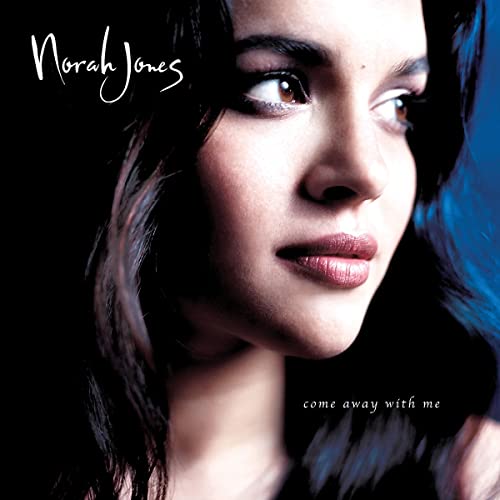
Norah Jones’ 2002 debut album Come Away With Me is to be reissued for its 20th anniversary, in April.
The album’s blend of jazz, blues, country, folk and pop – had an enormous appeal and Come Away With Me has, to date, sold nearly 30 million copies, and has garnered multiple awards, including eight Grammys.
The 3CD deluxe 20th anniversary edition of Come Away With Me (click image to enlarge)
It will be reissued as two multi-disc deluxe editions (3CD and 4LP vinyl) that offer the following content:
Norah’s earliest demos—the tracks that got Blue Note’s attention, and the demos she recorded for the label—some of which were released on the promo-only EP First Sessions
The full previously-unreleased original version of the album—including 11 unreleased cuts—produced by Craig Street and now newly-mixed by Tony Maserati, with alternate versions of well-known tracks and unheard performances
The 4LP deluxe 20th anniversary edition of Come Away With Me (click image to enlarge)
Both deluxe versions offer “premium packaging with an extensive booklet featuring new liner notes by Norah, rare session photos and detailed track annotations”, although SDE can’t help but think there’s premium packaging, there’s premium packaging and then there’s £160 for a 4LP set!
The CD set is better value although there is no sign of the surround sound version of the album which was issued on SACD back in 2003. Admittedly, this is a rare example of an SACD that is still relatively easy to get hold of, for not much outlay, but the package seems incomplete without it.
There will also be single LP and single CD editions of the album and The Demos, First Sessions EP and the Allaire Sessions have all been mixed to Dolby Atmos, although there appears to be no physical edition, so this will be for streaming-only.
Come Away With Me is reissued on CD on 29 April 2022 via Blue Note/UMe. The 4LP vinyl follows on 20 May.
Harold Budd’s 1978 album (started in 1972 and recorded in 1976) is acknowledged as a minimalist masterpiece and was produced by Brian Eno. The man himself said: ““The Pavilion Of Dreams erased my past. I consider that to be the birth of myself as a serious artist. It was like my Magna Carta”. Among others, it features saxophonist Marion Brown and Gavin Bryars and Michael Nyman.
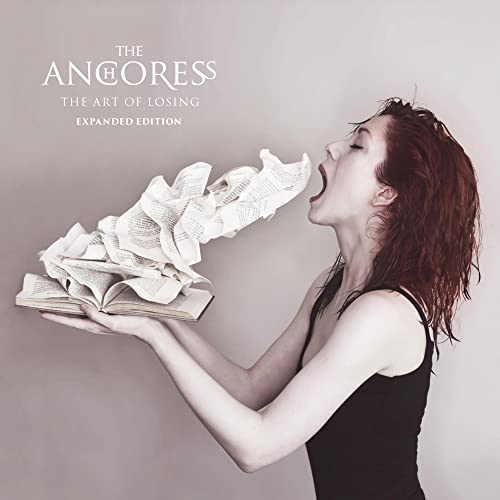
One of SDE’s favourite albums of 2021The Anchoress‘ second solo album The Art of Losing is being reissued with 5 bonus tracks. They are: ‘Show Your Face (Piano Version)’, ‘Let It Hurt (String Quartet Version)’, ‘All Farewells Should Be Sudden (Acoustic Version)’, ‘The Art of Losing (Acoustic Lounge Version)’ and ‘The Exchange (Solo Piano Version)’. These are new recordings, not remixes.
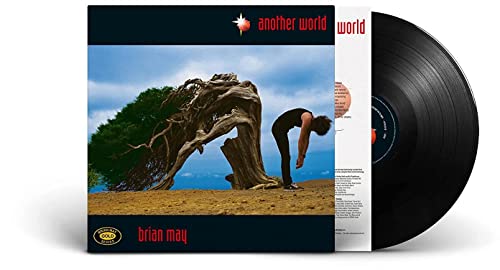
Brian May’s second solo album, 1998’s Another World, will get a ‘Gold Series’ reissue in April this year.
Six years on from Back to the Light, Another World failed to deliver any top 40 singles in the UK but was generally well-received at the time. The formats for the reissue echo what was delivered for Back to the Light last year, with 2CD, box set (2CD+coloured vinyl LP), and black vinyl LP available, in addition to the standard CD. Cassette and picture disc options are up for grabs via D2C channels.
This, dear Listener, is the second release in my “Brian May Gold Series” reissues.To this album, historically my second solo record,we’ve applied the same loving care that we lavished on‘Back to the Light’ – repolishing and remastering but using the exact original mixes.Originally delivered 24 years ago, ‘Another World’ is now reborn just as it was originally created.”
Brian May. 2022.
The 15-track bonus disc (dubbed ‘Another Disc’ and available only on the 2CD and in the box set) offers various remixes, rarities, live tracks and actually opens with Brian speaking a tribute to drummer Cozy Powell (recorded in ’98) who features on this album, but sadly died in a car crash before it was released.
“Let’s design a horrible logo and then put it all over the shop” – Gold Series logo highlighted by SDE in yellow (click image to enlarge)
The remastering is by Bob Ludwig, and the ‘Collector’s Edition’ box includes both CDs and a coloured, sky-blue vinyl LP in a 12-inch lift lid box, complete with 32-page booklet and enamel badge.
Sadly, despite wide derision at the awful ‘Gold Series’ logo – with manages to make the product seem tacky, rather than premium (watch this unboxing video of the previous box) – this risible design element endures and is plastered over everything!
Al Stewart’s sixty-year career in music is celebrated withThe Admiralty Lights a new career spanning, definitive collection of his work. Comprising 50 discs, this astounding set follows the legendary singer-songwriter from humble beginnings in 1964, to global stardom in the ‘70s, through to his most recent recordings in 2009.
The new deluxe box set features Al’s complete original run of 21 studio albums which have been remastered from the original tape transfers, housed in original sleeves and lovingly presented in deluxe LP style jackets. Also included are 18 discs featuring never-before-heard live concert recordings from 1970 to 2009, three discs of rare BBC Sessions from 1965 – 1972 and 8 discs of Demos, Outtakes and Rarities, offering a rare inside look into Mr Stewart’s world.
A beautiful 160-page hardback coffee table book is at the centre of this spectacular package, featuring comprehensive liner notes from author and Al Stewart expert Neville Judd and previously unseen photographs, flyers and ephemera from across his illustrious career. Vigilant fans will recognise the masterful touch of Colin Elgie, who has provided a visually striking original illustration for the outer box cover, having previously collaborated with Al on his Year of The Cat album.
The Admiralty LIghts (click image to enlarge)
As well as the massive hardcover book, this set includes
A 24-page collectors’ book detailing all the rare recordings in the set
Year of the Cat print individually SIGNED by Colin Elgie
Colin Elgie-designed print
Early Years poster
Last Days of the Century poster
This box set is strictly limited to 2,000 units worldwide (a one time pressing) and will be released on 3 June 2022 via Madfish. You can secure your copy now by ordering via the SDE shop using this link or the button below.
Al Stewart – The Admiralty Lights: Complete Studio, Live and Rare 1964-2009 CD 1 BEDSITTER IMAGES – 1967 Bedsitter Images Swiss Cottage Manoeuvres The Carmichaels Scandinavian Girl Pretty Golden Hair Denise At 16 Samuel, Oh How You’ve Changed! Cleave To Me A Long Way Down From Stephanie Ivich Beleeka Doodle Day
CD 2 LOVE CHRONICLES – 1969 In Brooklyn Old Compton Street Blues Ballad of Mary Foster Life and Life Only You Should Have Listened to Al Love Chronicles
CD 3 ZERO SHE FLIES – 1970 My Enemies Have Sweet Voices A Small Fruit Song Gethsemane, Again Burbling Electric Los Angeles Sunset Manuscript Black Hill Anna Room of Roots Zero She Flies
CD 4 THE FIRST ALBUM (BEDSITTER IMAGES) – 1970 Lover Man Swiss Cottage Manoeuvres The Carmichaels Clifton in the Rain Bed Sitter Images Denise at 16 Samuel, oh How You’ve Changed! A Long way Down from Stephanie Ivich Beleeka Doodle Day
CD 5 ORANGE – 1972 You Don’t Even Know Me Amsterdam Songs Out of Clay The News from Spain I Don’t Believe You Once an Orange, Always an Orange I’m Falling Night of the 4th of May
CD 6 PAST, PRESENT AND FUTURE – 1973 Old Admirals Warren Harding Soho (Needless to Say) The Last Day of June 1934 Post World War Two Blues Roads to Moscow Terminal Eyes Nostradamus
CD 7 MODERN TIMES – 1975 Carol Sirens of Titan What’s Going On? Not the One Next Time Apple Cider Re-constitution The Dark and the Rolling Sea Modern Times
CD 8 YEAR OF THE CAT – 1976 Lord Grenville On the Border Midas Shadow Sand in Your Shoes If it Doesn’t Come Naturally, Leave it Flying Sorcery Broadway Hotel One Stage Before Year of the Cat
CD 9 TIME PASSAGES – 1978 Time Passages Valentina Way Life in Dark Water A Man for All Seasons Almost Lucy The Palace of Versailles Timeless Skies Song on the Radio End of the Day
CD 10 TIME PASSAGES LIVE (THE LIVE RADIO CONCERT ALBUM) – 1978 On the Border Time Passages Life in Dark Water Roads to Moscow Valentina Way Year of the Cat The Pink Panther Theme Song on the Radio
CD 11 24 CARROTS – 1980 Running Man Midnight Rocks Constantinople Merlin’s Time Mondo Sinistro Murmansk Run / Ellis Island Rocks in the Ocean Paint by Numbers Optical Illusion
CD 12 INDIAN SUMMER (STUDIO) – 1981 Here in Angola Indian Summer Pandora Delia’s Gone Princess Olivia
CD 13 INDIAN SUMMER (LIVE AT THE ROXY) APRIL, 1981 Running Man Time Passages Merlin’s Time If it Doesn’t Come Naturally, Leave It Roads to Moscow Nostradamus 1/ World Goes to Riyadh / Nostradamus 2 Soho (Needless to Say) On the Border Valentina Way Clarence Frogman Henry Year of the Cat
CD 14 RUSSIANS & AMERICANS – 1984 Lori, Don’t go Right Now Rumours of War The Gypsy and The Rose Accident on 3rd Street Strange Girl Russians & Americans Cafe Society 1 2 2003 The Candidate
CD 15 LAST DAYS OF THE CENTURY – 1988 Last Days Of The Century Real And Unreal King Of Portugal Red Toupee Where Are They Now? Bad Reputation Josephine Baker License To Steal Fields Of France Antarctica Ghostly Horses Of The Plain
CD 16 RHYMES IN ROOMS (LIVE) – 1992 Flying Sorcery Soho (Needless To Say) Time Passages Josephine Baker On The Border Nostradamus Fields Of France Clifton In The Rain / Small Fruit Song Broadway Hotel If It Doesn’t Come Naturally, Leave It Year Of The Cat
CD 17 FAMOUS LAST WORDS – 1993 Feel Like Angel Of Mercy Don’t Forget Me Peter On The White Sea Genie On A Table Top Trespasser Trains Necromancer Charlotte Corday Hipposong Night Rolls In
CD 18 BETWEEN THE WARS – 1995 Night Train To Munich The Age Of Rhythm Sampan Lindy Comes To Town Three Mules A League Of Notions Life Between The Wars Betty Boop’s Birthday Marion The Chatelaine Joe The Georgian Always The Cause Laughing Into 1939 The Black Danube
CD 19 DOWN IN THE CELLAR – 2000 Waiting For Margaux Tasting History Down In The Cellars Turning It Into Water SoHo The Night That The Band Got The Wine Millie Brown Under A Wine-Stained Moon Franklin’s Table House Of Clocks Sergio Toutes Les Etoiles The Shiraz Shuffle
CD 20 A BEACH FULL OF SHELLS – 2005 The Immelman Turn Mr. Lear Royal Courtship Rain Barrel Somewhere In England 1915 Katherine Of Oregon Mona Lisa Talking Class Of ’58 (edit) Out In The Snow My Egyptian Couch Gina In The Kings Road Beacon Street Anniversary
CD 21 SPARKS OF ANCIENT LIGHT – 2008 Lord Salisbury (A Child’s View Of) The Eisenhower Years The Ear Of The Night Hanno The Navigator Shah Of Shahs Angry Bird The Loneliest Place On The Map Sleepwalking Football Hero Elvis At The Wheel Silver Kettle Like William Mckinley
CD 22 FAIRFIELD HALLS, CROYDON, FEBRUARY 11th, 1970 Zero She Flies Swiss Cottage Manoeuvres Room Of Roots One Too Many Mornings Clifton In The Rain Once An Orange, Always An Orange Electric Los Angeles Sunset Nostradamus
CD 23 WARWICK UNIVERSITY, NOVEMBER 8th, 1970 Swiss Cottage Manoeuvres Zero She Flies Electric Los Angeles Sunset Songs Out Of Clay In Brooklyn Samuel, Oh How You’ve Changed! Room Of Roots Old Compton Street Blues Elvaston Place Manuscript Love Chronicles
CD 24 MEDWAY FOLK CENTRE, KENT, JULY, 1971 You Don’t Even Know Me Electric Los Angeles Sunset A Small Fruit Song Dance Of The Prunes Night Of The 4th May / I’m Falling Ivich Room Of Roots My Enemies Have Sweet Voices Blessed
CD 25 MEDWAY FOLK CENTRE, KENT, JULY 18 th , 1972 Songs Out Of Clay Swiss Cottage Manoeuvres Electric Los Angeles Sunset Nostradamus Zero She Flies / Gethsemane Again / In Brooklyn I’m Falling
CD 26 MEDWAY FOLK CENTRE, KENT, JULY 10th, 1973 Songs Out Of Clay Soho (Needless To Say) Clifton In The Rain / A Small Fruit Song Electric Los Angeles Sunset Last Day Of June 1934 Old Admirals Zero She Flies I’m Falling In Brooklyn Post World War Two Blues
CD 27 MUSIKFORUM, UPPSALA, SWEDEN, 1973 Songs Out Of Clay In Brooklyn Clifton In The Rain Post World War Two Blues Room Of Roots Warren Harding Nostradamus Electric Los Angeles Sunset Amsterdam I’m Falling Black Hill A Small Fruit Song Just Like Tom Thumb’s Blues My Enemies Have Sweet Voices
CD 28 HEATH FOLK CLUB, HAMPSTEAD, LONDON, 1973 Songs Out Of Clay I’m Falling Electric Los Angeles Sunset Post World War Two Blues Manuscript A Small Fruit Song Nostradamus Amsterdam Gethsemane Again In Brooklyn / Life And Life Only Swiss Cottage Manoeuvres Just Like Tom Thumb’s Blues
CD 29 MY FATHER’S PLACE, ROSLYN, NEW YORK, MAY 8th, 1974 Soho (Needless To Say) Old Admirals Terminal Eyes / Post World War Two Blues Once An Orange, Always An Orange Roads To Moscow A Small Fruit Song Nostradamus
CD 30 GOLDERS GREEN HIPPODROME, LONDON, JUNE 27th, 1974 (BBC BROADCAST) Soho (Needless To Say) Old Admirals Terminal Eyes / Post World War Two Blues Roads To Moscow A Small Fruit Song THE HOWFF, LONDON, JUNE 29th, 1974 Soho (Needless To Say) Old Admirals Terminal Eyes Roads To Moscow All Along The Watchtower
CD 31 TOWER THEATER, PHILADELPHIA, NOVEMBER 26th, 1975 (PART ONE) – WMG Apple Cider Reconstitution Not The One Old Admirals Soho (Needless To Say) Post World War Two Blues Roads To Moscow
CD 32 TOWER THEATER, PHILADELPHIA, NOVEMBER 26th, 1975 (PART TWO) – WMG Eight Arms To Hold You Nostradamus The Dark And The Rolling Sea Sirens Of Titan Carol Modern Times
CD 33 LIVE AT READING UNIVERSITY, DECEMBER 4th, 1976 (BBC BROADCAST) Apple Cider Reconstitution The Dark And The Rolling Sea One Stage Before Soho (Needless To Say) On The Border Broadway Hotel Roads To Moscow Sirens Of Titan Year Of The Cat If It Doesn’t Come Naturally Leave It Carol
CD 34 MESA, ARIZONA, SEPTEMBER 12th, 1980 Running Man Sirens Of Titan Time Passages Broadway Hotel UNIVERSAL AMPHITHEATRE, LOS ANGELES, SEPTEMBER 16th, 1980 Constantinople On The Border Paint By Numbers Year Of The Cat Valentina Way HAMMERSMITH ODEON, LONDON, 1980 Mondo Sinistro Broadway Hotel Rocks In The Ocean Nostradamus Al Explains Nostradamus (Hidden Track)
DISC 35 CAMBRIDGE FOLK FESTIVAL, JULY 29th, 1989 (BBC BROADCAST) Antarctica Manuscript Time Passages Josephine Baker Nostradamus If It Doesn’t Come Naturally Leave It La Bamba / On The Border Roads To Moscow Year Of The Cat
CD 36 CHESTNUT CABARET, PHILADELPHIA, AUGUST 8th, 1991 Soho (Needless To Say) Time Passages Broadway Hotel Timeless Skies Delia’s Gone On The Border Nostradamus Josephine Baker Clifton In The Rain / A Small Fruit Song Carol Year Of The Cat Angel Of Mercy The Candidate
CD 37 OLD TOWN SCHOOL OF FOLK MUSIC, CHICAGO, JUNE 19th, 2006 Flying Sorcery On The Border Night Train To Munich League Of Notions Lindy Comes To Town Time Passages Katherine Of Oregon House Of Clocks Soho (Needless To Say) Marion The Chatelaine Somewhere In England 1915 Gina In The Kings Road
CD 38 MCCABES, SANTA MONICA, FEBRUARY 1st, 2008 (A Child’s View Of) The Eisenhower Years Shah Of Shahs Unexpected Frisson Time Passages Sleepwalking Soho (Needless To Say) Year Of The Cat Hanno The Navigator Broadway Hotel
CD 39 MCCABES, SANTA MONICA, APRIL 24th, 2009 House Of Clocks Angry Bird Katherine Of Oregon (A Child’s View Of) The Eisenhower Years On The Border Night Train To Munich Marion The Chatelaine League Of Notions The Elf / Silver Kettle Gina In The Kings Road Ear Of The Night Down In The Cellars
CD 40 DEMOS, OUTTAKES & RARITIES, PART ONE (1964-1973) Child Of The Bomb (Dolphin Court) Swansong Of The Millionth Man (Dolphin Court) Go Your Way (London acetate) 1944 (Dolphin Court) The Elf (Decca single) Turn To Earth (Decca single) Swiss Cottage Manoeuvres (Dolphin Court) Eight Arms To Hold You (Dolphin Court) Samuel, Oh How You’ve Changed! (Dolphin Court) Ivich (Dolphin Court) In Brooklyn (Dolphin Court) Room Of Roots (Dolphin Court) Manuscript (Dolphin Court) The News From Spain (CBS Single Edit) Elvaston Place (CBS Single) Lyke-Wake Dirge (Previously unreleased) Old Admirals (Instrumental version) Terminal Eyes (Instrumental version) Roads To Moscow (Alternate version)
CD 41 DEMOS, OUTTAKES & RARITIES, PART TWO (1973-1976) A Sense Of Déja Vu (Outtake) Stormy Night (Outtake) Swallow Wind (CBS Single) Willie The King (Outtake) The Dark And Rolling Sea (Instrumental) Dangerzone (Outtake) Belsize Blues (Outtake) Company (Home demo) Midas Shadow (Abbey Road April 1976 Alan Parsons version) Sand In Your Shoes (Abbey Road April 1976 Alan Parsons version) Flying Sorcery (Abbey Road April 1976 Alan Parsons version) Broadway Hotel (Abbey Road April 1976 Alan Parsons version) Year Of The Cat (Abbey Road April 1976 Alan Parsons version)
CD 42 DEMOS, OUTTAKES & RARITIES, PART THREE (1977-1984) Tonton Macoute (Outtake) Warmth Of A Summer’s Night (Demo) St. Stephen’s Day (Demo) Life In A Bottle (Outtake) Time Passages (Demo) Song On The Radio (Demo) The Palace Of Versailles (Demo) Ringing Of Bells (Outtake) Jackdaw (Outtake) Candy Came Back (Outtake) Delia’s Gone (Live at the Roxy, 1981) Here In Angola (Live at the Roxy, 1981) (The World According To) Garp (Outtake) The One That Got Away (Russians & Americans Sessions) Night Meeting (Russians & Americans Sessions) In Red Square (Russians & Americans Sessions) Rumours Of War (Live at the Eldorado, Paris, 1984)
CD 43 DEMOS, OUTTAKES & RARITIES, PART FOUR (1986-1990) Where Are They Now (Outtake) Electric Air (Outtake) In The Dark (Outtake) How Does It Happen? (Outtake) The Candidate (Live in Minneapolis, 1988) Antarctica (Live in Minneapolis, 1988) Red Toupee (Demo) Ghostly Horses Of The Plain (Alternate Version) Doubting Thomas (Demo) Helen And Cassandra (Outtake) Ten Cents (Demo) Ten Cents (Alternate Demo) Coldest Winter In Memory #1 (Demo) Coldest Winter In Memory #2 (Alternate Demo) Dreaming (Outtake) Don’t Forget Me (Outtake) Necromancer (Outtake) She Told You Then (Outtake)
CD 44 DEMOS, OUTTAKES & RARITIES, PART FIVE (1993) Dark Side (Demo) My Contemporaries (Demo) Kiribati (Outtake) Fantasy (Outtake) Angel Of Mercy (Outtake) Charlotte Corday #1 (Demo) Charlotte Corday #2 (Alternate Demo) Four Of A Kind (Demo) Peter On The White Sea (Outtake) Mixed Blessing (Outtake) Blow Your Mansion Down (Outtake) She Follows Her Own Rules (Demo) I Swam (Demo)
CD 45 DEMOS, OUTTAKES & RARITIES, PART SIX (1993-1998) It’s A Girl Thing (Demo) Trespasser (Alternate Take) Rest In Peace (Outtake) Night Train To Munich (Sign of the Scorpion Version) The Age Of Rhythm (Sign of the Scorpion Version) Sampan (Sign of the Scorpion Version) Lindy Comes To Town (Sign of the Scorpion Version) Three Mules (Sign of the Scorpion Version) Life Between The Wars (Sign of the Scorpion Version) Laughing Into 1939 (Sign of the Scorpion Version) The Black Danube (Sign of the Scorpion Version) Merry Monks (Sign of the Scorpion Version) Life After Death (Live At The Brook, Southampton, 1998) Curtain (Marin 1998) Music of the Vines 1 (Marin 1998) Music of the Vines 2 (Marin 1998) Music of the Vines 3 (Marin 1998) Music of the Vines 4 (Marin 1998) Music of the Vines 5 (Marin 1998)
CD 46 DEMOS, OUTTAKES & RARITIES, PART SEVEN (2000-2005) Rupert Brooke (Sign of the Scorpion Version) Keening Of Injured Children (Sign of the Scorpion Version) Easter Morning (Demo) Some People Never Know (Sign of the Scorpion Version) All That She Needs (Sign of the Scorpion Version) Under A Wine Stained Moon (Sign of the Scorpion Version) Millie Brown (Sign of the Scorpion Version) So Long, So Long (Sign of the Scorpion Version) Waiting For Margaux (Sign of the Scorpion Version) That’s For Sure (Sign of the Scorpion Version) Turning It Into Water (Sign of the Scorpion Version) Everything You Know (Sign of the Scorpion Version) Pictures In My Wine (Sign of the Scorpion Version) London’s Brilliant Parade / Caroline Goodbye (Live, Fairfield Halls, Croydon, 2001) The Night That The Band Got The Wine (Live, Mr Smiths, Bournemouth, 2001) The Immelman Turn (Sign of the Scorpion Version) Mona Lisa Talking (Sign of the Scorpion Version)
CD 47 DEMOS, OUTTAKES & RARITIES, PART EIGHT (2005-2008) Gina In The Kings Road (Sign of the Scorpion Version) Anniversary (Sign of the Scorpion Version) Beacon Street (Sign of the Scorpion Version) Out In The Snow (Sign of the Scorpion Version) Somewhere In England 1915 (Sign of the Scorpion Version) Grace Cathedral (Sign of the Scorpion Version) (A Child’s View Of) The Eisenhower Years (Sign of the Scorpion Version) Shah Of Shahs (Sign of the Scorpion Version) Hanno The Navigator (Sign of the Scorpion Version) Elvis At The Wheel (Sign of the Scorpion Version) Lord Salisbury (Sign of the Scorpion Version) Long Time Gone (Sign of the Scorpion Version) The Ear Of The Night (Sign of the Scorpion Version) Football Hero (Sign of the Scorpion Version) Silver Kettle #1 (Sign of the Scorpion Version) Silver Kettle #2 (Alternate Sign of the Scorpion Version) Four Leaf Clover (Sign of the Scorpion Version) The House On Rosemount Hill (Sign of the Scorpion Version) You Don’t Even Know Me (Sign of the Scorpion Version) Love Train (Sign of the Scorpion Version)
CD 48 BBC SESSIONS, PART ONE (1965-1969) Do I Love My Neighbour? (Five To Ten, BBC Light Programme, June 3rd 1965) Pretty Golden Hair (Meeting Point, BBC One, November 20th 1966) Who Killed Tommy McGeechie (Late Night Line Up, BBC Two, March 5th 1968) Al Talks About Saydisc / America / Al recites furniture poem (BBC Radio Two, April 24th 1968) Scandinavian Girl (BBC Radio Two, May 29th 1968) Samuel, Oh How You’ve Changed! (BBC Radio Two, May 29th 1968) Bedsitter Images (BBC Radio Two, May 29th 1968) The Carmichaels (BBC Radio Two, May 29th 1968) Swiss Cottage Manoeuvres (BBC Radio Two, May 29th 1968) Room Of Roots (BBC Radio Two, May 29th 1968) In Brooklyn (BBC Radio Two, September 15th 1968) Good As Gone (BBC Radio Two, September 15th 1968) Old Compton Street I Don’t Believe You My Enemies Have Sweet Voices (BBC Radio One, March 19th 1969) Clifton In The Rain (BBC Radio One, March 19th 1969) Denise At 16 (BBC Radio One, March 19th 1969) Manuscript (BBC Radio One, March 19th 1969)
CD 49 BBC SESSIONS, PART TWO (1969) I Don’t Believe You (Radio 1, July 30th 1969) The Elf (BBC Radio 1, July 30th 1969) Swiss Cottage Manoeuvres (BBC Radio 1, July 30th 1969) Room Of Roots (BBC Radio 1, July 30th 1969) Manuscript (Radio 1, July 30th 1969) Maybe Some Day (BBC Radio 2, July 30th 1969) Samuel, Oh How You’ve Changed! / A Small Fruit Song (BBC Radio 2, August 14th 1969) Bedsitter Images (BBC Radio 2, August 14th 1969) Just Like Tom Thumb’s Blues (BBC Radio 2, August 14th 1969) Manuscript (BBC Radio 2, August 14th 1969) In Brooklyn (BBC Radio 2, August 14th 1969)
CD 50 BBC SESSIONS, PART THREE (1969-1972) My Enemies Have Sweet Voices; Lullaby Of Birdland; A Small Fruit Song (BBC Radio Two, August 27th 1969) Burbling (BBC Radio Two, August 27th 1969) Just Like Tom Thumb’s Blues (BBC Radio Two, August 27th 1969) Memphis Tennessee (BBC Radio Two, August 27th 1969) Sparrow (BBC Radio Two, August 27th 1969) Electric Los Angeles Sunset (BBC Radio Two, May 2nd 1970) Zero She Flies (BBC Radio One, May 2nd 1970) A Small Fruit Song (BBC Radio One, May 17th 1970) Blessed (BBC Radio One, May 17th 1970) Zero She Flies (BBC Radio Two, March 24th 1972) (feat. Richard Thompson) A Small Fruit Song (BBC Radio Two, March 24th 1972) (feat. Richard Thompson) You Don’t Even Know Me (BBC Radio Two, March 24th 1972) (feat. Richard Thompson) Old Compton Street Blues (BBC Radio Two, March 24th 1972) (feat. Richard Thompson) Absolutely Sweet Marie (BBC Radio Two, April 28th 1972)
Toyah’s 1980 live album Toyah! Toyah! Toyah! will be reissued by Cherry Red in May.
The album featured a June 1980 performance at Club Lafayette, in Wolverhampton, and was recorded using the Rolling Stones legendary Mobile Recording Unit. The audio for this reissue has been remastered by Nick Watson from the original master tapes.
The CD+DVD deluxe edition includes the ATV documentary, Toyah, in which director Graham Moore follows Toyah around for more than six months capturing rehearsals, studio recording sessions, rehearsals for plays and then in the notorious Battersea warehouse ‘Mayhem’. This documentary has never been issued commercially before (the DVD is NTSC, region-free).
The Toyah! Toyah! Toyah! CD+DVD reissue (click image to enlarge)
The CD in this two-disc package features the previously unreleased songs ‘She’, a reprise of ‘Danced’ and an unedited complete version of ‘Neon Womb’ which originally faded early as the B-Side of live single ‘Danced’. The 24-page booklet features a Toyah introduction and rare photos.
The album is also being reissued on limited edition neon yellow vinyl, and the printed inner is home to some of those photos from the CD booklet.
In April Chrysalis Records will issue The Rock Box 1973-1979: The Complete Recordings, a 7CD+DVD collection of Suzi Quatro’s ‘70s output. Featuring six studio albums, a live album and a DVD with promos and rare footage.
Hailing from Detroit, Suzi Quatro learnt her chops in a series of groups including the Pleasure Seekers, an all-female line-up which also featured two of her sisters. Then in 1971, while in the band Cradle, she was spotted by producer Mickie Most. Impressed by her skills as a bass player and singer and her onstage attitude, Most signed her to his recently launched label, RAK Records.
The studio albums in this box are the RAK recordings, as follows: Suzi Quatro (1973), Quatro (1974), Your Mamma Won’t Like Me (1975), Aggro-Phobia (1977) If You Knew Suzi (1978) and Suzi…and Other Four Letter Words (1979).
The Rock Box 1973-1979 (click image to enlarge)
During this period Quatro had eight top 30 UK hit singles, including two number ones (‘Can The Can’ and ‘Devil Gate Drive’). She also enjoyed some success in America, notably with the If You Knew Suzi album. This was largely down to having a top 10 hit in America, the Mike Chapman and Nicky Chinn-penned ‘Stumblin’ In’, which was a duet with Smokie’s Chris Norman. Initially a non-album single it was soon added to later pressings of the 1978 long-player.
Most of the albums in The Rock Box include bonus tracks and a few previously unreleased cuts and this also comes with the 1977 live album Live and Kickin’. The DVD features promo videos, Top of the Pops appearances and a Live in Japan concert from 1975.
This package includes a 56-page booklet with exclusive personal recollections from both Suzi and guitarist and co-writer Len Tuckey, as well as a biography written by The Guardian’s Dave Simpson
The Rock Box 1973-1979: The Complete Recordings will be released on 15 April 2022. Amazon in the UK have an exclusive, limited signed edition (Suzi has signed the booklet in the box).
Compare prices and pre-order
Suzi Quatro
The Rock Box 1973-1979 - exclusive signed 7CD+DVD box set
Tori Amos has teamed up with Z2 Comics to create a ‘graphic album’ that celebrates 30 years of her debut solo debut Little Earthquakes.
This graphic novel “demonstrates the lasting influence of this defining work” with 24 stories inspired by the 12 songs on the album. Amongst the writers will be Neil Gaiman and Margaret Atwood. The book is being put together by Z2 editorRantz Hoseley, who previously edited the award-winning Comic Book Tattoo, and who painted the cover for Tori’s Christmastide EP from 2020.
The standard edition of Little Earthquakes: The Graphic Album is an 8″ x 8″ hardcover book
There are three versions of this graphic album:
Standard edition – an 8″ x 8″ hardcover book, widely available, and costs around £30
Deluxe Edition – a 12” x 12” oversized graphic novel with slipcase. This comes with a black vinyl copy of Little Earthquakes and a unique vinyl picture disc called Little Earthquakes: The B-sides. The latter is unique to this deluxe edition at this point in time. This includes three 12″ prints by Jason Levesque, KAKO and David Mack and is limited to 1450 units and costs £150. It is only available to pre-order via Z2 Comics
Little Earthquakes The Graphic Album Deluxe Edition (click image to enlarge)
Platinum Edition – a 12″x12″ oversized and embossed hardcover graphic novel with placeholder ribbon – SIGNED by Tori Amos and numbered. Like the deluxe, this comes with both vinyl records and three prints, however the David Mack print is signed by Tori and David Mack. This edition also comes in a die-cut clamshell case designed to echo the iconic wooden box on the cover of the album and includes Little Earthquakes – The Graphic Album Sketch Diary. Only 500 available at £375 a pop! This is only available to pre-order via Z2 Comics
Some of the contents of Little Earthquakes The Graphic Album Platinum edition (click image to enlarge)
The big question is whether that B-sides vinyl picture disc will be made available separately at any point. If not, then the deluxe edition seems quite attractive, despite the high price. Indeed, when Tori confirmed with SDE late last year that there were plans to celebrate Little Earthquakes we assumed she meant a music box set, but perhaps her thoughts went to this ‘graphic album’?
The other thing to consider is that Z2 Comics launched a Blondie graphic novel in February 2021 which has been subject to loads of delays and is now ‘expected’ to be released in August of this year. To be fair, that’s probably not entirely their fault since the super deluxe edition of that Blondie novel includes a “very special Blondie music bundle (to be announced)” which will almost certainly be the box set that UMC are working on.
Little Earthquakes: The Graphic Album will be released on 30 September 2022.
Compare prices and pre-order
Amos, Tori
Little Earthquakes The Graphic Album standard edition
The Tipping Point is the second Tears For Fears studio album, post the original 1980s era, to feature both Roland Orzabal and Curt Smith. The first was 2004’s Everybody Loves A Happy Ending, so it’s been a while coming. Here, Roland and Curt discuss the genesis of the album and their long-running partnership…
Roland Orzabal: The previous album, Everybody Loves A Happy Ending, was a happy period. We weren’t sure about getting back together again – whether it would work or how comfortable we’d be and how creative it was. But we worked with Charlton Pettus, who Curt had collaborated with previously, and we found that between the three of us there was an incredible balance. Charlton could modulate us, he could interpret us and it worked extremely well. Pretty much the entire narrative of that album was just about us getting back together hence the gag: ‘Everybody Loves A Happy Ending’.
With that reunion album under their belt, neither Roland nor Curt were in any particular rush to follow it up. Instead, they played live, primarily in the US, Asia and Australia. These were often short spells on the road, rather than year-long global slogs, with Tears For Fears playing vineyards, summer festivals and often happy to share the bill, or offer a supporting role, to bands like Hall & Oates and Spandau Ballet. Life was good.
Curt Smith: The touring side was becoming successful for us. We knew we were getting really good live, our band was coming together to the point where we finally got to this setup that we have now, which is Charlton Pettus playing guitar, Doug Petty on keyboards, [vocalist] Carina Round and Jamie Wollam, our drummer. Once we got that bunch of people together, it all just gelled. So, we were actually enjoying playing live more because we enjoyed playing with these people. Not only playing with them, but they’re the easiest people to tour with and are enjoyable to be around, which has not always been the case.
Roland: Plus, when you play live, you’re not dealing with record companies. It’s simple. It’s a direct transaction.
Curt: Because we were getting better at it, and enjoying it more, that’s what we were concentrating on. We didn’t do lots of it, it’s not like we were on tour all year – we were doing something like six weeks at a time and then going home. We both had kids that we were bringing up at the time, so we didn’t want to be away for too long.
While they both enjoyed this work-life balance, Roland and Curt recognised, as time passed, that there was a danger of things getting a little stale.
Curt: It did get to a point, maybe seven or eight years ago, where we were playing the same sort of set all the time – not exactly the same, but we didn’t have new music. It was getting a little boring, and the only way to liven that up would be to maybe make some new music. That’s when the discussion started about us making a new record together. I wouldn’t have been unhappy to see out my days playing the hits, but it just wouldn’t have been quite as gratifying. You end up turning into an actor more than a musician because you’re just going through the motions. You know your lines, you know your parts, you know everything and you’ve just got to go on and perform them each night. The longer you do that, the harder it is for it to feel genuine. And I thought that adding something new would bring some freshness to it.
The pair decided to get to work on writing and recording some new songs, but rather than just letting them get on with it, their management (at the time) had other ideas and suggested that Roland and Curt tried songwriting and producing with younger artists, in an attempt to write ‘commercial’ songs that would – in theory – resonate with a younger audience and help them make an impact in this modern era of streaming and playlists. Roland calls this process ‘speed dating’ and it led the band down a creative cul-de-sac which would ultimately threaten not only the new album, but Roland and Curt’s union.
Roland: God bless him, but I sometimes wonder whether our manager was actually a fan of ours. Especially after he walked in on us at Charlton’s [studio] and said, “You’re not going to get this record done, with Charlton, in this studio”. So, that’s when we were sucked into the ‘speed dating’ way of writing.
Some might suggest that a band who enjoyed two consecutive number one singles in America in the 1980s (‘Everybody Wants to Rule The World’ and ‘Shout’) both taken from a number one album [Songs From The Big Chair] don’t need lessons from youngsters when it comes to writing hits. But Curt and Roland were open and humble enough to give it a go and not reject the idea outright.
Roland: We were willing to do it, because there’s an element of self-doubt in everyone. And to be honest with you, back then, we were searching for a direction. We met some good people. We always came away with something.
Curt: It may have worked and we did find one good relationship with Sacha Skarbek [British songwriter/producer who has worked with James Blunt, Adele, Lana Del Rey, amongst others], who we ended up working with on The Tipping Point.
When you are playing live, you’re not dealing with record companies. It’s a direct transaction.
Roland Orzabal
In 2017, the year Tears For Fears triumphantly played an emotional homecoming show at London’s Royal Albert Hall, Universal Music released a greatest hits called Rule The World. This contained the first new material from the band in over a decade.
Roland: We had a finished album, of 12 songs, which our manager decided wasn’t right for Warner Brothers [a deal had been signed]. He said we should go back to Universal who have our back catalogue. So, that was the idea. We had to buy the album off Warner Brothers and Universal Music took two songs off it – ‘I Love You But I’m Lost’ and ‘Stay’ – and put out the greatest hits, with the idea that once the greatest hits was out they would then release the album. Luckily, they didn’t; but at the time it felt a bit weird, like a cruel Universal trick. The deal [for the album] hadn’t been done, so they had no obligation to do it.
So, that left us with a slightly depleted album. I took time away, and during that period, we listened to what we had and fell out of love with it. When we amassed everything we’d done, we had around 12 attempts at a modern hit single. Some of them are great, but that didn’t make it a Tears For Fears album, and it wouldn’t have done anything. People want ‘the story’. People want to see a clear emotional core.
Curt: We don’t really care about making a commercial record, I don’t think, it just so happens that what we like is sometimes commercial. The depth of the music is equally as important for us. As I’ve said, many times before, if you look back at albums we’ve done, for the time, those songs weren’t obviously commercial. ‘Mad World’ wasn’t obviously commercial; ‘Sowing the Seeds of Love’ wasn’t obviously commercial. Yes, they became hits, but they didn’t sound like anything else that was out at the time. And I think you have to embrace that. I think that the only way a Tears For Fears record can be made is for us to do it ourselves, because the essence of it is what me and Roland agree on. If there’s another person involved, which can help, then it needs to be someone who understands us, someone who knows how to deal with both of us, not just one of us, because we’re very different. That is the case with both Sacha [Skarbek] and Charlton [Pettus].
We don’t really care about making a commercial record
Curt Smith
‘I Love You But I’m Lost’ is notably absent from The Tipping Point (“I like it”, says Roland. “It’s one of the songs we didn’t agree on,” offers Curt, diplomatically) but ‘Stay’ does make the cut and Curt Smith admits that this song is about him contemplating walking away from Tears For Fears for a second time.
Curt: We were doing this album, the ‘broken album’ as Roland calls it, and I didn’t like it. In particular, I didn’t think it had a narrative, a flow, and it was all very much one thing. And you get to that point where you ask yourself “Can I really do this?”. For me, first and foremost, it’s always about your mental and physical health, and I just wasn’t enjoying it. I don’t want this ever to just become a job, because I think that takes away from what music has given me, over the years, which is an outlet. If you’re doing it just for the sake of doing it, it demeans the music. So, I was at the point where I wasn’t happy with it and Roland was actually quite liking it. Our manager liked it, but wanted something more like that. And I was sort of stuck and no one was understanding where I was coming from. If I had left, it would have been a painful decision, because Tears For Fears has been part of my life, and Roland has been part of my life, for a very long time. So the song ‘Stay’ is really about that. It was a very sad time for me.
Despite this unhappy situation, the two men didn’t sit down and have a much-needed heart-to-heart. Communication between the LA-based Curt and Roland, who was primarily in the UK, was less than ideal at the time.
Roland: Curt’s feelings got a little bit filtered through the manager, but I was getting the distinct impression that he wasn’t happy. Sometimes it’s hard; we don’t share quite as much information as we should. And so, it was like, “Okay, I didn’t realise that…”.
Curt: I think that our manager enjoyed putting himself between us. He enjoyed being the broker and the one that we both talked to, privately. He then had control over what information he fed both of us, and it wasn’t a very healthy situation. But eventually, once we decided to part ways with him, we sat down and worked it out ourselves. Weirdly enough, coming to the understanding that our management wasn’t going to work out for us was the best thing that could have happened. That break-up allowed us to finish the album.
Both Roland and Curt agree that The Tipping Point’s opener, ‘No Small Thing’ was the song that got things back on track, and enabled the two men to put the ‘broken’ album behind them and work together productively while feeling excited about a fresh approach and a new direction.
Roland: None of those original [‘speed dating’] tracks got anywhere near this new album.
Curt: The record we first finished, I couldn’t listen to. That was the problem. I listened to it and I was exhausted by the end of it. It didn’t tell me a story; it didn’t make me feel good – it made me feel angry! [laughs]. And I don’t like that feeling. You know, I prefer more calm. But then that’s the balance between the two of us. Roland is more intense, and that has its place, and I tend to be more introspective and quiet. And somewhere in the middle is where you get Tears For Fears.
Roland: When we got together in early 2020, just before the pandemic kicked off, we were searching for where to go. We sat down with acoustic guitars in Curt’s house – for the first time since we were about 18 – and Curt came up with this riff, and then we were off, with ‘No Small Thing’. I don’t know where that came from but I took it back to England and finished it. I wasn’t sure about it, but my wife said: “It’s great, send it to Curt!”. So, I sent it to him and he said “This is really good”. Then when we got together at the end of 2020, we finished it. That was the key track, because it was not like anything we’d attempted. Not even like anything we’d done before, really, with the acoustic Dylan-esque, Johnny Cash-esque intro and then evolving into a Led Zeppelin, crazy Beatles-type ending. But that’s why we chose it as the first track on the album because that was the song that unlocked it. And then, very quickly, ‘Rivers of Mercy’, ‘Break the Man’ and ‘Master Plan’ all came along.
Curt: Once that track came, along with ‘Rivers of Mercy’ and ‘Please Be Happy’, suddenly we had a narrative. I think those all tell a story and while it’s not like a prevailing theme, it has a story that had a flow to it that we were missing before. Before that, everything was focused on, you know, “Is it up tempo?”, “Is it commercial?”, “Is it hooky?” and “Is it modern?”. We threw all that out the window and said let’s do something we like, something that inspires and is interesting to us. With ‘No Small Thing’ when we sat down with acoustic guitars and then when Roland sent me his initial work on the recording, it was like “Yes, this is interesting. This makes me want to listen”, so it ticked all the boxes for me.
As with the previous album, Everybody Loves A Happy Ending, Curt co-writes a number of tracks on The Tipping Point and he acknowledges that it’s an important part of the creative partnership with Roland.
Curt: I think it’s very important, but to me, it’s more important that there’s two voices. So, if you take ‘Please Be Happy’ on this album, that’s Roland’s song that I’m singing, but it’s the combination of voices that makes it work and that also gives it an ebb and flow. Our voices are very different. Roland tends to be in your face and I’m very kind of introspective and a lot darker and that balance works very well. There’s a sound when we sing together, as well, that’s very specific to us. And that’s why I think it’s great that ‘The Tipping Point’ was the first single, because we’re both singing virtually every line of that song. That’s what makes it sound like us.
For a band who created three sonically different hit albums in the 1980s, ‘the sound’ of Tears For Fears is not easy to define.
Curt: The only definition I’ve ever been able to come up with is that it’s the stuff we agree on. The nature of a partnership is that a lot of the time you’re making concessions to the other party, you’re basically giving some leeway. And there’s only so far you can be pushed. But you know, where we converge and agree on things, that’s the sound of Tears For Fears.
If Tears for Fears acknowledge that attempting to have a commercial chart hit single is neither realistic, nor creatively satisfying (“it’s a stupid thing to aim for” says Curt), then surely it must come as a relief that the pressure is off, to a certain extent, and that there is no Dave Bates (their old A&R man from the 1980s) saying “where’s the single”?
Curt: Well, we did we have that. We had our manager saying “where’s the single?” He was the A&R guy! But eventually, once we left him – on good terms, I hasten to add, we’re still friends – and hooked up with our current management, they said, “this is great, we love it. What else would you like to do?” And so, we finished the album on our own, sequenced it exactly as it is being released, and they gave it to Concord, who said, “It’s wonderful. We’ll take it. Thank you”. So, no one has changed anything. There’s been a couple of conversations, as far as singles go. But in the end, they’ve deferred to us.
While Orzabal made two albums as Tears For Fears without Smith, in the 1990s, few would argue that the beating heart of the group remains Roland and Curt working together in partnership, if not always in harmony, to one degree or another. They endured what turned out to be a decade-long ‘trial separation’ but today, almost 40 years since the release of their first single, ‘Suffer The Children’, I ask the two men if The Tipping Point is the equivalent of them ‘renewing their vows’. They enjoy the joke, but Roland then reflects seriously on this within the wider scope of some life-changing events.
Roland [Laughing, as Curt chuckles heartily, next to him]: Funnily enough, we were going to call the album ‘Renewing Our Vows’, that’s very insightful of you. I think what it was, we live in different parts of the world, most of the time, and I was going through a pretty bad time domestically, with Caroline’s illness and stuff [Roland’s first wife sadly died in 2017]. I was unknowingly quite angry, as one gets, and I was maybe – not maybe, but definitely – introducing an element of that into mine and Curt’s relationship. You know, the whole thing of Caroline passing, and then me getting ill. And then getting married again, to Emily, who’s American and quite polite and gentle. And she corrects me, she gives me another perspective and she always tries to introduce an element of respect into everything. So, it was really her that urged me to start treating this guy [gestures towards Curt] with a bit more respect and after that – and a couple of rehabs – it became quite easy, you know. Then I came at it from a different perspective. When I was having a bad year, I only listened to the album maybe once, the old [‘broken’] album and in my stupor, I recall thinking we need more Curt singing, we need more Curt. We needed a lot more balance, and we need it to sound like a Tears For Fears record. That was extremely important.
My wife, Emily, urged me to start treating Curt with a bit more respect
Roland Orzabal
Curt: As much as we have a reputation for butting heads all the time, we don’t. Because eventually, we get to a place where we either just don’t work together, or we decide that, you know what, we’re actually listening to each other; this is good! And that happened last year [in 2020]. Once we get to a point where we’re listening to each other, then…
Roland: [nodding in agreement] …Then it becomes easy.
Notable collaborators on The Tipping Point are Sacha Skarbek (who co-produces five songs and co-writes two) and Charlton Pettus (who has a hand in the production of seven songs, co-writes five and mixes most of the record).
Curt: Charlton plays guitar, is in the live band and is an integral part of what we’re doing; both what we did on this album and what we did on the last album.
Roland: We did virtually all of what I call the ‘broken’ album with Sacha and while he may not have created all those songs, he certainly finessed them. He is extremely easy to work with, and most of all, he is a musician, a great keyboard player, and therefore he will talk back to you through music, not through concepts or philosophy or theory – or the technical aspects of recording, which are pretty easy to do nowadays [anyway]. Everyone has a laptop with GarageBand. He really is a lovely guy and it was a joy working with him.
And what do Tears For Fears make of the modern era where the majority of music fans consume music differently, primarily via streaming. Is that even a concern for them, as artists?
Curt: On one level, it’s beneficial to us. Because a new audience is discovering us. The joy of streaming is that younger people, people that aren’t necessarily your audience are basically surfing around and discovering us. And these streaming services might suggest a Tears for Fears track because we were an influence for some young band. Or because it’s music that’s similar to something in someone’s playlist. My kids are consuming far more music [than I am]. That’s the beneficial side, us having a huge and far greater audience than we ever had. The downside, of course, is that they don’t pay us fairly. I think they’ve paid the record companies and the record companies are not paying us fairly, for the work we do. And without us, they wouldn’t exist. But hopefully that will slowly change over time, and we’ll get fairly compensated for the work we do.
So how will Tears For Fears measure success with The Tipping Point, when it goes out into the marketplace?
Curt: Don’t know. Don’t care!
Roland: I think as long as it goes in at number one… [laughs]
Curt: Personally, I measure the success of an album in terms of how much I like it. And how happy we are with it, more than what it does, commercially.
I can write pop songs every month, but what’s the point?
Roland Orzabal
Is The Tipping Point going to be the last Tears For Fears album?
Roland: We don’t know. Never say never. There may well be another period of intense, turbulent events, which sparks off some creativity. But we don’t really know. I mean, obviously, we’re 60, so I don’t think we’re going to wait 17 years – we might not even be here in two! Myself, Curt And Charlton could get together in a room and come up with more music – there’s no doubt about it – and that would be pretty good. But what’s the meaning? What’s the story? We’re competent musicians, of course we are. I can write pop songs every month, but what’s the point? Everybody Loves A Happy Ending was a beautiful, Beatle-y pop record, but [it was] lacking a little bit… Lacking the blood and guts. Lacking any sense of catharsis.
Curt: And I think it’s the case with every record we make, there’s no plans for the next one. It’s enough effort and blood and guts to try and finish what we have and there’s that sense of relief afterwards, so the idea of going back…
Roland: Yeah, it’s just it’s a Sisyphean task.
Before we part company, I ask Roland and Curt if either of them still practice Primal Therapy, Arthur Janov’s trauma-based therapy that informed so much of the songwriting on their 1983 debut The Hurting.
Roland: Well, no… [but] maybe I should? I did it in the ’80s for five years, very regularly, two or three times a week and it was amazing. It was really about my childhood. And, strangely enough, when my first son was born, Raoul, something happened psychologically, because I saw him come out, and it was like my childhood was over. I don’t know why, but I was no longer focused on the child within, I was focused on the child ‘without’. So then you become a parent and part of what you do is very structural. We weren’t too big on discipline, but enough, and your inner child gets kind of shooed away for many, many, many years, and I stopped using any of the therapeutic techniques from Primal Therapy. And I got older, I sort of got into addiction problems, and I actually lost the ability to express myself emotionally. I’ll give you an example: My father died when we were doing The Seeds of Love. And I was like, ‘fuck him’, you know. That day I had therapy, and as I was walking from England’s Lane, where we were making the record, to therapy, I went from denial to a wave of absolute grief. And before I even got there, I was crying like I’ve never cried, because of the reality. Now, when it came to Caroline dying, I couldn’t do it. I’d lost completely, through all the pills and booze, I’d lost the ability to get that wave of grief that comes up from a very deep part of you, and to let it go. I couldn’t do it. And it wrecked me. That inability wrecked me. So no, I had to do therapy to deal with the grief, but I actually found a woman in LA who was a Freudian therapist – Freudian! – crazy, but it was an amazing relationship. Through that, plus the love of a good woman in Emily – that really got me back on track.
I lost faith in Primal Therapy because it was coming from a man who I thought was a bit of a charlatan, after meeting him
Curt Smith
Curt: I never felt the need. I think it was knocked out of me by meeting Arthur Janov. I think that I kind of lost faith in Primal Therapy because it was coming from a man who I thought was a bit of a charlatan, after meeting him. My therapy happened in later years, some in New York or in Los Angeles. The relationship with the therapist is always a very personal one – you’ve got to find a therapist that works with you. And it’s not even necessarily a method, I think it’s actually a relationship you have with them. Mine happened to be a 70-year-old hippie that had taken all sorts of things when she was younger, and she was fantastic. But no, Roland’s correct, when children come along it really changes the picture, a lot. And weirdly, that put me off Primal Therapy theory a bit more because a lot of what Janov was writing about back then was very much about children being this ‘blank slate’ being fucked up by parents and you see your kids come out and you watch them grow up and it’s like, that was never a fucking blank slate, it just wasn’t. There’s DNA there. The way they look, the way they behave… There’s more of my DNA in Diva, my eldest child – you can tell that just by looking at us – and I get her immediately. It’s harder for me to understand Wilder, my younger child, but I give her space. But she has more Frances, my wife’s DNA, so I have to treat her like I treat my wife, and I have to be more nurturing with Diva because that’s how I need to be treated. It’s fascinating to me, but the blank slate thing, I think, is kind of nonsense.
Thanks to Tears For Fears, who were talking to Paul Sinclair for SDE.The new album, The Tipping Point is out on Friday.
Acid Jazz founder, Eddie Piller, has curated a new 100-track, 4CD deluxe set called British Mod Sounds of the 60s. Released last Friday this set offers a deep dive into the Mod scene in ’60s Britain and includes a selection of classic and rare tracks, tracing the scene from its R&B roots to a soulful finale.
SDE recently caught up with Eddie in a pub in East London to discuss the new release and to try and gain an insight into the Mod scene and mod culture.
SDE: I was born in like, 1969, so I was getting into music in the early 80s – the tail end of the Mod revival. To be honest, I didn’t really know that something else happened previously, for ages – in other words the proper ’60s Mod movement. The very fact that there was a revival, relatively quickly after the original scene happened is quite interesting.
Eddie Piller: Within 10 years…
Exactly. And it’s the usual thing with a new generation of bands, whoever they’re influenced by, as a fan you end up looking back and getting into music from an earlier era. I guess that’s what happened with you, or maybe not because of your mum’s connection to the Small Faces?[Eddie’s mum ran the Small Faces fan club].
No, our inspiration was Buzzcocks, The Jam, Generation X. And what made us wear Parkas… we liked punk music, but didn’t want to be punks. I didn’t even know my mum did the Small Faces fan club until after I turned up wearing a Parka and my dad said, “Why are you wearing that stupid coat?”. And it took The Buzzcocks and The Jam to get me into being a Mod. And the only reason was, I didn’t like punk kids. By 1979 they had become a cliché with the Kings Road tourists, Sid Vicious jackets and haircuts. I was younger than the average punk, but wanted to be different. And my whole generation picked on the Parka, as a piece of iconography, purely to say, “We’re not them”. Because the music is the same. If you listen to The Chords and The Undertones, they’re kind of the same. But The Chords were Mod and The Undertones were punks. So that’s basically how and why it started from my perspective, in the early days, of early 79.
And for those bands you were getting into, like anyone who is serious about music, you read interviews with them, they talk about the groups that inspired them and that’s how you joined the dots and made the connection
You’ve just summed up in that one phrase “joined the dots”. It’s absolutely what happened. We didn’t know anything about being a Mod – nothing. Nothing until so we tried to find out and it was hard in those days. There are a few sociological books by people like Stanley Coen, there was the Quadrophenia album with the photos in the middle, the ’73 issue with the picture book of the Mod kids with the target, but there was very little to tell us what to go on. And the one thing we weren’t was like original Mods – were were just like punks in Parkas. That’s what we got called.
We were just like punks in Parkas. That’s what we got called.
Eddie Piller
So what would be the difference be between being an original Mod and whatever you were? I think of a lot of people understand the fashion and the look and the style more than they understand the music, because Mod music probably doesn’t exist, it’s the music that Mods liked.
Yes, I say that in the in the prelude to the sleeve notes of the box set because you can’t describe Mod music because you have so many different types. You have real Mods in bands, like Small Faces, The Action and Fleur De Lys; you have session musicians in bands that make Mod music; you’ve got black guys in bands that make soul music… I mean, the only real definition of Mod came from The Who’s first proto-manager, Peter Meaden, which was that Mod living, or Modism, is an aphorism for clean living under difficult circumstances. He’s basically the only person who’s ever managed to explain what Mod is, other than Paul Weller. And Paul Weller’s not very clear on it, to be honest!
What does he mean by that?
We don’t know. It means nothing, but it means everything! We don’t know. Clean living under difficult circumstances. Who knows what that means?
To me, it sounds like if you haven’t necessarily got a lot of money but you can still turn out well on a Saturday night…
In the early period of The Who Pete Townshend talks about Mods. Dressing smart like a bank manager… and that’s basically what he got from Meaden. Townshend was very eloquent about Mods at the beginning, but he turned his back on Mods quite early. So you know, we didn’t find out any of this shit out until afterwards; we were just kids who identified with other kids who dressed the same as us, whether it was at football or at gigs. And then, when we realised that at gigs, we could go and see kids that look like us, that’s what we did. [Mod revival group] The Purple Hearts are a good example. Purple Hearts were a year older than me, and I was 15 the first time I saw them in the West End. It’s very difficult for a group that are 16 or 17 years old to be patronising to their audience. And they weren’t. We just felt like they were us, and we were them. It’s a bizarre thing that will never happen again, because music is created by people like Simon Cowell. The main thing to remember about Mods is that it was a reaction to the over creation of punk by the likes of Bernie Rhodes and McLaren – there were no Svengalis in the Mod world, these were kids 15, 16, 17, setting bands up. And by June 1979 there were 100 bands that went around saying we’re a Mod band. They might not know have know what Mods were, but they knew what they weren’t. And what they weren’t, was punk.
We just felt like they were us and we were them
Eddie Piller on Mod revival group Purple Hearts
When did the word ‘Mod’ start getting bandied around then? Was that in the late ’50s?
I’ve written a few books on the subject, and the first time I could discover Mod used in the press, was in The Daily Sketch [British tabloid that ended in 1971] in a music feature about The Flamingo Club where the journalist went to see a jazz group. At that time, in Soho, you had two kinds of people involved in jazz: you had ‘trads’, and ‘moderns’. Moderns got shortened to Mods because that was modern jazz and trads were into traditional Jazz from New Orleans, you know, Acker Bilk with that hat… Mods had Tubby Hayes, Pete King and Ronnie Scott, you know, so the, the split between the two types of jazz, with the kids playing in Soho, first came around in late ’57, early ’58. And so these kids that were modernists – because they’re like modern jazz – gradually became mods, and because mods were always changing, after modern jazz came, the British blues boom, with Alexis Korner and Cyril Davies and all these sorts of people. The next wave of Mod was them playing blues, and then from there you had Rhythm & Blues, with offshoots like Merseybeat, Brumbeat and all that kind of stuff. And then you had soul music. And that was the thing that we defined ourselves by: soul music. And the first exponent of soul music in Britain was probably Georgie Fame. Possibly. Certainly, the first exponent of Ska. Georgie Fame took West African musicians, West Indian musicians and married them to the best of the British brass sections and soul musicians and created probably the archetypal Mod sound.
Yeah, it’s interesting, but quite confusing because there’s so many different strands of music in one thing. When you think about other movements, you know, Punk, Shoegaze, whatever, it’s it’s very much one thing but I guess that’s what the new box set is about – highlighting the different strands?
Mod music is really whatever you want it to be. And no one will ever agree. It could be British Ska, it could be Jamaican Ska, it could be R&B, it could be Freakbeat, but it could be Psych could be Soul. It’s because the music wasn’t fundamental. The philosophy and the attitude was fundamental. The one thing that went through the middle of all of it was the concept of moving forward, attention to detail, clothes, music… Things like scooters, Italian suits, all that stuff, they were kind of periphery things that defined Mods, but they weren’t what Mod was about. The most famous iconography of Mods is the Parka. The Parka was there to protect your clothes. But we didn’t know that in 1979. We just saw all these pictures of kids wearing Parkas and we just though we must wear Parkas. We didn’t have suits underneath them.
Was there as much of a movement originally, compared to when the revival happened?
Yes. In the 60s, it was new. There’s a very interesting quote from Pete Townshend, when he’s on the stage doing Quadrophenia for the first time in America and he said, “Mods to you was probably just Swinging London and Carnaby Street, but to us it was so much more”. And you understand what he means because in America, there was Mods, but it wasn’t the way of life where the bank clerk would dress better than the bank manager and take pills and go to Brighton and start smashing things up. In America, it was about Swinging London and Carnaby Street – it’s a very different thing. And the reason being, it was a working class reaction against the status quo, which was enabled by the American concept of the teenager, which first came around in the mid ’50s, in America, and was an import over here, which led to Teddy Boys, Rockers, Trads and then Mods. And because Mod was always adapting – whereas the others were so stuck with a small number of influences – Mod lasted 50 years, because it was a progressive, ever-changing moment.
Things that are Mod and things that aren’t Mod… there’s not necessarily that much between them. And I’m thinking of The Beatles, for instance, because, they went from wearing leather jackets, and having quiffs in their hair, to dressing in suits and being quite smart. They came down to London, they were they were influenced by Skiffle and American R&B. But no one would say they were Mods…
You have perfectly touched upon the dilemma of Mod. Beatles and Stones: Beatles, not Mod. Stones, Mod. Although with the exception of Charlie Watts, and maybe Bill Wyman, The Stones wouldn’t have called themselves Mods, but the reason they are regarded as part of the Mod Pantheon, from our perspective, is because they play proper blues. They chose blues at a time when mods were into blues. Whereas with The Beatles, Merseybeat is great and lovely, but it’s just that The Stones were darker, dirtier and deeper. But I should, at this point, say there is a great quote from Sonny Boy Williamson, when he was backed up by British bands on his first British tour. He said, “Wow, these British boys want to play the blues so bad. And yeah, they do play the blues, so bad”. We wanted to do it, but we couldn’t do it.
This British Mod Sounds of the 1960s box set has 100 tracks on it. That’s a lot of music. What kind of rules or boundaries did you set when you were looking for what to include?
Some of those boundaries was set for me, by what I could licence and what I couldn’t. Some companies won’t licence product, so [that’s why] The Who’s not there. Van Morrison’sThem is not there. I even spoke to Van Morrison and said, I want to put ‘Mystic Eyes’ on this record and he said – this is the genius thing – he said “Is Cyril Davies on the box?” and I said “Yes, he is” and he said “Alright, you can have it”. Trouble was, when it came to actually getting the licence included, there were so many hurdles to jump, I couldn’t get it. But the fact that Van was prepared and aware of the fact that Cyril Davies was a Mod… [was amazing]. You know, he was a sheetmetal worker from up north, who played amazing Rhythm and Blues harmonica – that’s Mod!
Putting the licensing restrictions to one side, were you just choosing your favourite Mod records from that era?
No, that’s a good point. One track per band. And believe me, it would have been very easy to have more than because some of the bands were out and Mods…
…Although you’ve snuck Rod Stewart on there twice?
Three times! He’s on Quiet Melon, there’s Rod and PP Arnold and there’s Rod Stewart as a solo artist. However, they’re all different projects. What was the criteria? ‘Would Mods have liked it?’ That’s it.
It’s interesting, because Rod is obviously a big name, Bowie’s on here, Elton (Bluesology) etc. Do you think there was an element of them jumping on a bandwagon that would hopefully carry them somewhere else, or do you think that was a genuine love of that music, from those artists, at that time?
That’s a really good point and no one has ever asked that question before. What I think is that the zeitgeist at the time, which went from Skiffle to Blues to R&B to Soul, I think all of those kids that ended up in those bands grew up through that. There was nothing else for them to like. You know, trad jazz ended up in a cul-de-sac with nobody playing guitar, and this was about guitar, mainly. Lemmy is on this box set [The Rockin’ Vickers] and I think, all of these people, if they hadn’t done what they did, rock wouldn’t have happened. Proper rock wouldn’t have happened. And that’s kind of pretty obvious, I think.
Yeah, because four or five years down the line, Bowie’s got long, curly hair and singing ‘Memory of a Free Festival’.
But fuck me, Bowie’s Mod stuff is good. There was a sea change and the sea change came about with British songwriters. They all did covers but then suddenly you have people like, Townshend, Marriott & Lane and Ray Davies writing, anthemic British songs about British working class life. And that’s when it changed. So there is more before that and more after that, but that’s what made it change into what it became, in about ’65/’66.
What happened to the original Mod movement? Did it just naturally fizzle out with a lot of these bands that never made it through to the end of the 60s?
I think it split into three. We had, I suppose, what were called Hard Mods, which became known as Skinheads in ’66/’67. We had the psychedelic bands, I mean, Pink Floyd were a massive Mod band and I tried to licence them. They did a fabulous Bo Diddley track, but of course you can’t get anywhere near them, especially not the Syd stuff. A lot of those bands went from Mod R&B/Soul and Mod power-pop, I suppose, to psych stuff, heavy stuff and became hippies. And then you had the people that stayed as Mods, and I suppose the main group like that was Love Affair who were are on the box set and who had a number of number one, I think, with ‘Everlasting Love’. Probably the last Mod hit record in ’68. So it kind of fragmented, became uncool, and disappeared underground. But it didn’t just disappear underground in the north. It carried on and changed. There was always Mods up until ’73 in the north, and then they became Northern Soul boys.
So what’s the relationship between Mod and Northern Soul?
Northern Soul sprung from the Mod sound. The idea of rare soul music played in a discotheque, by the likes of Roger Eagle, or Guy Stevens, became the main face of Cool Mod. Small Faces and The Who became Teenybop Mod. I hate to say it, but you see the Small Faces after ’67 and you’ve got 1000 teenage girls screaming – that is not cool. So I think, if anything, Mod disappeared with the fashion for Carnaby Street the Swinging London but it’d be more realistic to say it went underground,
I guess that’s the nature of a movement, isn’t it? It lasts for a certain amount of time, goes away and then might be revived, like Mod was in the late 70s.
I think the changes in youth culture got faster and faster and faster and Acid Jazz [the label] experienced this. Acid Jazz as a scene, was quickly replaced by Britpop, a year or two years later. But everybody who likes Acid Jazz didn’t like Britpop – it’s a different type of music. So Acid Jazz became Trip Hop, Trip Hop then merged with what was called hardcore, and Drum ‘n’ Bass, and became Jungle… So everything constantly evolves. The thing about Mod is, it always looks relatively cool. It’s hard to explain, because it’s not a constantly changing fashion, it’s a philosophy that can be applied to any aspect of your life. Paul Weller was eloquent about it. Mod is: ‘What socks do I put on today?’, ‘What books do I read?’, ‘Where do I go for breakfast?’ You know, ‘what coffee do I have?’ That’s Mod.
Do you feel like that every day?
Yeah, of course I do [laughs]. But I suspect that many of the fellow travellers on the path, do. And the thing is, it gets frozen in aspic, like anything. If you were 21 or 22 when you discovered Mod and you like this particular stuff, you’ll like that forever.
Especially in terms of the fashion. It seems to be something where it’s it’s easier to hold on to it, as you get older.
Why is that? Have you thought why that is?
Probably because it doesn’t involve wearing a cape and having long hair.
New Romantics at 50 look like sad old blokes in kilts and make up. Mods at 50 look like cool blokes. You can’t be a punk or a New Romantic at 50, because you look shit. But Mod? You can dress like a Mod. There’s a really cool guy called Jeff Dexter, who was one of the first Mods in London, he taught the Quadrophenia people how to dance, he produced America, you know, the best British folk band of all time. He’s a legend. He’s still a fucking Mod, and he’s got to be in his late 70s. Mod is not for Christmas, it’s for life [laughs]. That’s a terrible fucking line…
If someone buys this compilation, there’s 100 tracks, four CDs, they get the nice booklet with your intro, but at the end of the day, they’re listening to the music, they’re not thinking about scooters or wearing Parkas or whatever it may be. So what do you hope that people – who are maybe new to the whole 60s Mod thing – what do you hope that they might take away from listening to this music? What is it going to give them?
I don’t know! [laughs]. No, let’s be serious. Here’s a bizarre thing that happened to me at the weekend. I’m in a pub, and a kid, about 16 or 17 comes up to me and says “I just want to say this: You look fantastic” [laughs] and I’m just down the pub, you know? And he goes, “Are you a Mod?” And I’m 58, he’s 17. I said, “Yeah”. And he tells me that he’s watched Quadrophenia, he loves The Who, he’s done this, done that and he wants to be a Mod. I don’t know why or how it happens. It’s just something that happens, to maybe one in a hundred people.
The journey some of the artists on this box set make is very interesting, because a lot of people think of Tom Jones, they obviously think of, ‘Delilah’, ‘It’s Not Unusual’ and they think of him singing in Vegas in the 70s, hanging out with Elvis. But you don’t necessarily think of Tom Jones as a Mod and that’s what’s great about his collection, I suppose. A lot of it is like reframing what you might think about certain artists. Most Bowie fans know, or are aware of, the ’60s stuff, but many people don’t realise that before ‘Space Oddity’ he had five years where he was doing all sorts of stuff.
The best thing, and I’ve looked into this greatly, was that when Steve Marriott got thrown out and his own band – Steve Marriott & The Moments – and Bowie gave up with the last of his three Mod bands, they were going to set up a band called David and Goliath. Can you imagine how cool that would have been? Steve Marriot about 5’2″. Bowie, what? 5’10”? But unfortunately for Bowie – or fortunately! – Marriott met Ronnie Lane. And that was it. I’m a massive fan of Bowie. I mean, Pinups? When he’s at his peak, he’s gone: “I’m going to do a tribute to all the fucking Mod bands from the 60s that I used to love”. That’s a massive Mod album.
This box set is almost like an alternative route through the 60s, if you never went that way in the first place. If you were into the big, mainstream stuff.
We couldn’t get The Stones on here and we couldn’t get the Andrew Loog Oldham Orchestra, either.
Are there any bands now you think of as Mod?
Miles Kane. Jake Bugg actually started off as a Mod, but the thing is, in the industry, these kids, these bands do well, if they’re mods because there’s still a massive latent underground Mod scene. And they come out and start playing that music. But the industry says, you don’t want to be tied to that particular thing. It’s like The Strypes , I think they were signed for 250 grand, they’re a band of 14 year old Mods from Ireland, signed by Elton John’s team, and the first thing they said was you don’t want to be Mods because it ain’t gonna work. And what happened? Nobody was interested afterwards. Miles Kane was probably the last successful Mod artists and he was 10 years ago. But there are Mods in other spheres of life: Martin Freeman, Sir Bradley Wiggins…
Hiding in plain sight! [laughs]. Do you think this box set might turn some people into Mods?
What it could do is give people like that kid I met in the pub, the Mod-curious somewhere to start, because this is probably the ultimate Mod compilation.
Is there going to be a part two to this?
It’s going to be called Down The Rabbit Hole: What Mod Did Next…
Thanks to Eddie Piller who was talking to Paul Sinclair for SDE. British Mod Sounds of the 60s is out now as a 4CD deluxe set, a 6LP vinyl package and a 2LP ‘highlights’ offering.
Compare prices and pre-order
Various Artists
British Mod Sounds of the 1960s - 4CD signed amazon exclusive
Shop
Price gbp
Stock
Currency:
Compare prices and pre-order
Various Artists
British Mod Sounds of the 1960s - 6LP vinyl amazon signed version


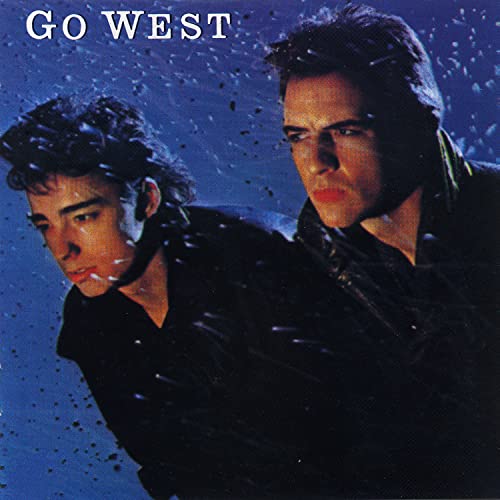


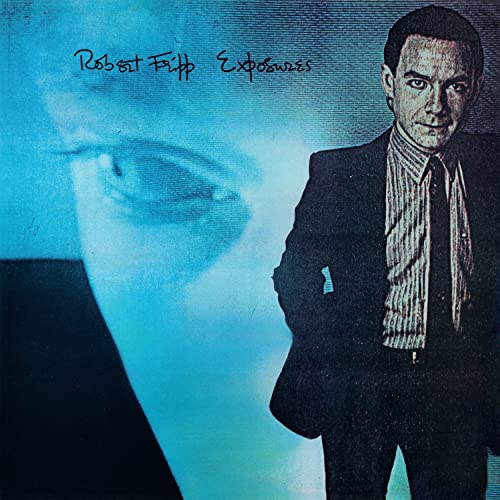


![David Bowie / Brilliant Adventure [1992-2001] 18LP vinyl box set](https://images.superdeluxeedition.com/wp-content/uploads/2021/09/vinyl_spread600-2.jpg)